TotGuard Electric Bike Manuals Overview
The TotGuard electric bike manual series offers comprehensive guides covering design, operation, and maintenance. It details frame specs, motor specs, battery care, and safety protocols. Users can download PDFs or view online versions for quick reference and troubleshooting. Downloadable PDFs are for models.
What the Manual Covers
The TotGuard electric bike manual serves as a guide for users, covering unboxing to maintenance. It opens with an introduction that states the manual’s purpose, target audience, and topics addressed. Safety instructions detail protective gear, legal requirements, and rider responsibilities. The manual presents specifications of the frame, motor, battery, and drivetrain, explaining each component’s role. The interface section describes the display, controls, and connectivity options, teaching users how to monitor battery status, select riding modes, and connect via Bluetooth or Wi‑Fi to a companion app for tracking and firmware updates. An assembly checklist walks through mounting the battery, attaching the motor, and securing the frame, with torque values. Charging procedures are outlined, specifying chargers, charging times, and precautions. Maintenance tasks are enumerated, including cleaning, chain lubrication, tire pressure checks, brake pad inspection, and motor wear assessment. Troubleshooting guidance addresses common problems such as low battery, motor stalls, display glitches, and connectivity issues, offering steps and remedies; Finally, the warranty and support section explains coverage terms, registration steps, and how to reach customer service for repairs or software assistance. This manual equips every TotGuard rider with the knowledge to assemble, operate, maintain, and troubleshoot their electric bike safely. Users are encouraged to refer to online resources for firmware updates and community forums. The manual includes a quick‑start guide and a troubleshooting guide for common issues Readers can also find video tutorials FAQ sections on the official TotGuard website to deepen their understanding quickfast tips.
How to Access Digital Manuals
To access the TotGuard electric bike digital manuals, visit the official TotGuard website and navigate to the “Support” or “Resources” section. Once there, locate the “Manuals” tab, which lists all available PDF documents for each model. Click on the desired manual to open it in a new browser window. If you prefer offline access, download the PDF file by clicking the download icon; the file will be saved to your device’s default download folder. For mobile users, the TotGuard app (available on iOS and Android) offers a built‑in manual viewer. Open the app, sign in with your registration credentials, and select the “Manuals” option from the main menu. The app will display a list of manuals matching your bike’s model and firmware version. You can tap any manual to view it directly within the app or choose the “Download” button to save a local copy. If you encounter any issues locating the correct manual, use the search bar at the top of the support page and enter keywords such as the model number or “electric bike manual.” For additional help, contact TotGuard customer support via the live chat feature or email at support@totguard.com. The digital manuals are updated regularly to reflect firmware changes and new safety guidelines, so check back periodically for the latest version. All manuals are free to download and are provided in PDF format, ensuring compatibility with most devices and operating systems. For the latest firmware updates, always check the TotGuard website or app, where new releases and safety notices are posted prompt to keep your bike running smoothly.
Safety and Legal Guidelines
TotGuard electric bikes must comply with local regulations. Riders should wear a helmet, use lights, and stay within speed limits. The manual outlines legal requirements, safety gear, and rider responsibilities to ensure safe operation and legal compliance on public roads. Keep lights on and obey traffic signs.!
Operating Speed Limits and Legal Requirements
TotGuard electric bikes are classified as low‑speed electric bicycles in most jurisdictions, meaning they must not exceed 20 mph (32 km/h) on flat, paved roads. The manual specifies that the maximum assisted speed is 15 mph (24 km/h) when the throttle is engaged, and 20 mph (32 km/h) when the rider pedals with motor assistance. Riders must keep the bike within these limits to remain compliant with local statutes and avoid classification as a motor vehicle. In addition, the bike must have a functioning front and rear light, a working brake system, and a valid registration if required by state law. The manual advises checking the local Department of Motor Vehicles (DMV) website for specific requirements, such as helmet mandates, age restrictions, and licensing rules. For example, in California, electric bicycles with a motor power of 750 W or less and a top speed of 20 mph are exempt from registration, but riders must still wear a helmet and use lights. In contrast, states like New York require registration for any electric bicycle with a motor over 250 W, regardless of speed. The manual also highlights that riders should not use the bike on sidewalks unless permitted by local ordinances. It recommends using bike lanes or roads with a speed limit of at least 25 mph. Finally, the manual includes a table of common state regulations, a checklist for compliance, and a reminder that exceeding speed limits can result in fines, loss of insurance coverage, or vehicle seizure. By following these guidelines, riders can enjoy the convenience of the TotGuard electric bike while staying safe and legally compliant. Before each ride, riders should verify that all lights are operational, brakes are responsive, and the battery charge level meets the recommended minimum to ensure safe operation under all conditions.!

Safety Gear and Rider Responsibility
TotGuard electric bike riders must wear a certified helmet that meets DOT or EN 1078 standards. The manual recommends a full‑face or open‑face helmet with a chin strap, and advises checking the strap for wear before each ride. In addition to the helmet, riders should wear gloves, eye protection, reflective clothing to increase visibility low light conditions. The bike’s front and rear lights must be functional and properly positioned; the manual specifies a white front light and a red rear light, each with a minimum 5 W output. A bell or horn is required for signaling pedestrians and other cyclists. The manual also stresses that riders should keep both hands on the handlebars at all times, maintain a firm grip, and avoid using the throttle while riding on steep inclines or in wet conditions. Riders are responsible for checking tire pressure, brake function, and chain tension before each trip. The manual includes a checklist: helmet, gloves, eye protection, lights, bell, tire pressure, brake test, chain lubrication. Riders must obey all traffic signals, yield to pedestrians, and stay within the designated speed limits. The manual warns that failure to wear proper safety gear can result in injury or legal penalties. Riders should also keep a small first‑aid kit and a phone charger in the bike’s storage compartment. Finally, the manual advises riders to review local laws regarding e‑bike operation, as some jurisdictions require additional gear such as reflective vests or specific lighting. By following these guidelines, riders can reduce risk and enjoy a safer ride.
Component Breakdown and Features
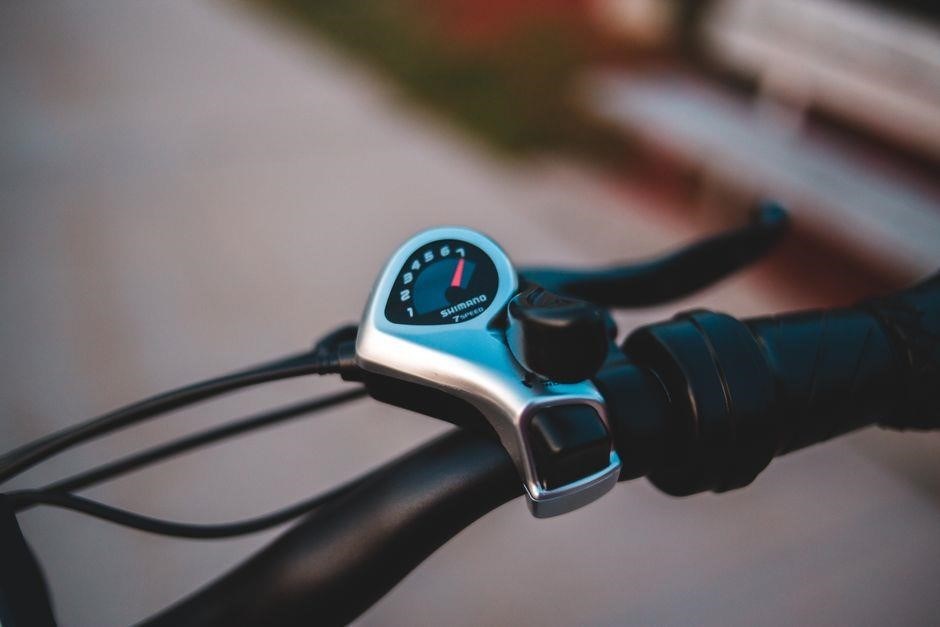
The TotGuard bike features a lightweight aluminum frame, a 250W hub motor, a 36V lithium‑ion battery, integrated LCD display, and Bluetooth connectivity. The frame includes a 7‑speed Shimano derailleur, disc brakes, and a 700c wheel set for smooth, reliable rides. safety!!
Frame, Motor, and Battery Overview
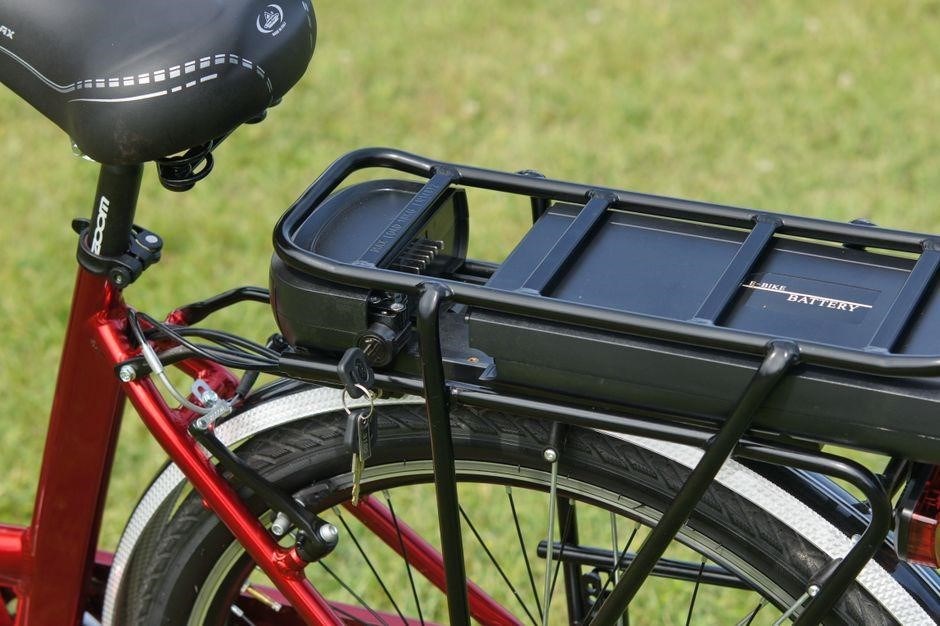
The TotGuard electric bike manual provides a detailed frame, motor, and battery overview. The frame is constructed from lightweight aluminum alloy, offering a balance of strength and reduced weight. It features a diamond geometry with reinforced top tube and seat stays for durability. The manual explains how the frame integrates mounting points for the motor, battery, and accessories. The motor is a 250‑W hub motor, located in the rear hub, delivering smooth torque and quiet operation. The manual describes the motor’s specifications, including peak torque, continuous power rating, and recommended usage limits. The battery is a 36‑V lithium‑ion pack with a capacity of 5.5 Ah, providing a range of up to 50 km on a single charge. The manual details battery installation, charging procedures, and safety precautions. It also covers the battery’s thermal management system, ensuring optimal performance and longevity. The manual includes a diagram of the battery placement, wiring connections, and the recommended charging station setup. It explains how to monitor battery health through the integrated display. The manual’s comprehensive overview ensures that users understand the mechanical and electrical components, enabling proper handling, maintenance, and troubleshooting of the TotGuard electric bike. The manual also includes a troubleshooting guide, recommended service intervals, and a warranty summary to assist owners in maintaining peak performance and ensuring compliance with local regulations. All information is provided in clear, concise language for ease of use!
Display, Controls, and Connectivity
The TotGuard electric bike manual details the integrated display, control interface, and connectivity options that enhance rider experience and safety. The display is a 2.7‑inch TFT LCD with 240×240 resolution, mounted on the handlebars. It shows real‑time data such as speed, battery level, remaining range, cadence, and selected assistance mode. The manual explains how to navigate the menu using the two side buttons, toggle between display modes, and adjust brightness. The control interface includes a throttle lever, pedal‑assist sensor, and a mode selector that cycles through Eco, Normal, and Sport settings. The throttle provides instant power up to 250 W, while the pedal‑assist mode uses a hall‑effect sensor to detect cadence and deliver proportional torque. The manual also covers the use of the brake‑assist feature, which reduces motor output when the front or rear brake is applied. Connectivity is handled through a Bluetooth Low Energy (BLE) module that pairs with the TotGuard mobile app. The app allows firmware updates, trip logging, and remote configuration of assist levels. The manual provides step‑by‑step pairing instructions, troubleshooting tips for lost connections, and a list of supported operating systems. Security settings such as PIN lock and remote immobilizer are also described. All features are designed to comply with local e‑bike regulations and to provide a seamless, intuitive riding experience.
Calibration steps include zero‑point adjustment for throttle and pedal‑assist sensors, ensuring accurate torque delivery before first ride. daily!
Setup and Installation Procedures
Unbox the bike, inspect for damage, and mount the frame on a surface. Attach the front and rear wheels, secure the brakes, and connect the battery to the controller. Follow the torque specifications for bolts. Once assembled, perform a test ride to calibrate assist system.
Charging Procedures and Power Management
Before charging, detach the battery from the frame and place it on a flat, non‑conductive surface. Locate the charging port, usually marked with a small icon or the word “CHARGE.” Connect the supplied charger, ensuring correct polarity. The charger’s LED should turn green, indicating a proper connection. Use only the supplied charger; third‑party chargers can damage the battery or cause overheating. Once connected, the battery enters a three‑phase charging cycle: bulk, absorption, and float. Bulk supplies maximum current until the battery reaches about 80% capacity. Absorption tapers the current while maintaining voltage, allowing cells to equilibrate. Float keeps a low current to maintain full charge without overcharging. Depending on chemistry, the cycle takes 2–4 hours; do not interrupt. After the LED turns off or shows “full,” disconnect the charger before removing the battery. Reattach the battery to the frame, ensuring connectors are seated. Perform a quick charge test by powering the display; the battery percentage should read at least 90%. If a low‑voltage warning appears, let the battery rest 10 minutes before recharging. For long‑term storage, keep the battery at 50–60% charge and store it in a cool, dry place; avoid temperatures below 0 °C or above 45 °C, as extremes degrade performance. When reactivating, perform a full charge cycle before use. Regularly inspect the charging cable, connector, and port for wear or corrosion; clean debris with a dry cloth and replace damaged parts. Persistent charging issues, such as a slow rate or non‑lighting LED, warrant consulting the troubleshooting section of the manuals or contacting customer support. Following these procedures ensures safe, efficient, and reliable power management for your TotGuard electric bike. Additionally, always verify that the battery’s temperature remains within the recommended range during charging, as overheating can trigger safety cutoffs. Keep the charging area well‑ventilated, and never leave the charger unattended while the battery is connected. By adhering to these guidelines, you extend battery lifespan and maintain optimal performance. Always unplug charger after use.!!
Assembly and Initial Setup Checklist
Begin by verifying all components are present and undamaged. Inspect the frame, fork, wheels, brakes, motor housing, battery pack, display unit, and wiring harness for scratches or missing fasteners. Place the bike on a stable surface and secure it with a stand. Attach the front wheel by aligning the axle with the dropouts and tightening the quick‑release skewer. Repeat for the rear wheel. Install the motor assembly by sliding it into the frame’s motor mount and securing with bolts. Connect motor cables to the controller: red to +, black to ground, and the signal wire to the designated pin. Attach the battery pack to its bracket, connect the battery cable, and secure it with a zip tie. Mount the display on the handlebars, connect the data cable to the controller, set the language, and calibrate the speedometer. Power on the system; the display should show battery charge and motor status. Perform a short test ride: engage the throttle, verify motor response, and confirm brakes function. Adjust brake lever reach if needed. Finally, review the checklist: all bolts torqued, cables routed, display calibrated, and safety features verified. Store the bike in a dry location and keep the manual for future reference. Before riding, ensure chain is tensioned tires are inflated to recommended pressure. Check brake pads for wear replace them if necessary. Verify display’s battery indicator is functioning correctly. Keep parts supplies for maintenance. Allcomplete ready ride
Maintenance, Troubleshooting, and Support
Routine maintenance includes cleaning the chain, checking tire pressure, and inspecting brakes. If the motor stalls, verify battery charge and cable connections. For persistent issues, consult the troubleshooting guide or contact customer support via email or phone. Keep the battery cool and avoid overcharging
Routine Maintenance Tasks
Regular upkeep keeps your TotGuard electric bike running smoothly and extends its lifespan. Begin each maintenance session by inspecting the frame for cracks, dents, or loose welds. Tighten all bolts with a torque wrench set to the manufacturer’s specifications, especially the seat post, handlebar clamp, and rear dropout screws.
Before each ride, check the tire pressure and ensure the brakes are responsive. A properly inflated tire reduces rolling resistance and improves safety. A properly inflated tire reduces rolling resistance and improves safety. Verify the chain tension by pulling the chain upward at the mid-point; it should not move more than 1 cm. Clean the chain with a degreaser and lubricate with a bike‑specific oil.
Regular cleaning of the drivetrain, brakes, and wheel hubs keeps the bike operating efficiently. Use a soft brush and mild detergent to remove grime from the chain and cassette, then rinse with clean water and dry thoroughly. For the battery, avoid letting it discharge below 20 % and store it in a cool, dry place when not in use. Periodically check the battery’s voltage with a multimeter; a healthy battery should read between 48 V and 52 V. Keep the battery terminals clean and free of corrosion. Software updates are delivered via the TotGuard mobile app; connect the bike’s Bluetooth module to the app, then follow the on‑screen prompts to download and install the latest firmware. This ensures optimal performance and safety features remain current.
Keep parts clean and check for wear daily today!
Troubleshooting Common Issues & Contacting Support
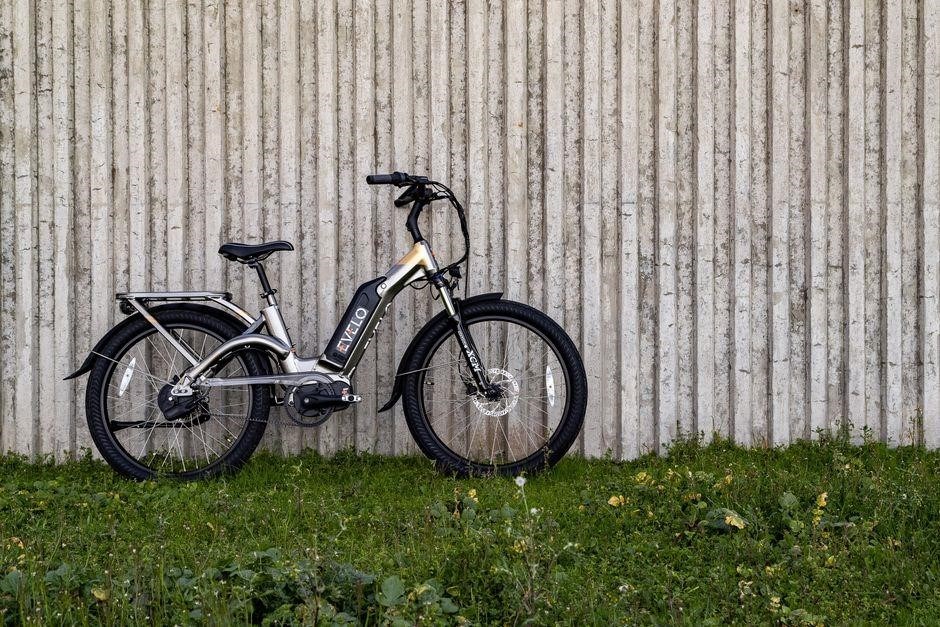
When your TotGuard electric bike displays an error code or behaves unexpectedly, start by consulting the quick guide. Common issues include a dead battery, low motor torque, or a misaligned wheel. For a dead battery, check the connector pins for corrosion, clean with a dry cloth, and verify the charger’s LED indicator. If the motor stalls, inspect the throttle cable for fraying or kinks; replace if necessary. Wheel alignment problems often stem from loose dropout bolts; tighten them to the specified torque. If the display shows a “Low Voltage” warning, recharge the battery fully and verify the voltage with a multimeter. For intermittent braking, clean the brake pads and calipers, and replace pads if worn. If the bike fails to respond to the remote, ensure the remote’s battery is fresh and that the Bluetooth module is enabled. If problems persist after these checks, consult the troubleshooting section of the manual for error code definitions and recommended actions.!
Should the issue remain unresolved, contact TotGuard support. Use the support portal at https://support.totguard.com to submit a ticket, providing your bike’s serial number, a description of the problem, and any relevant photos. Alternatively, call the customer service line at 1‑800‑TOTGUARD (1‑800‑866‑2848) during business hours. For urgent repairs, schedule a service appointment through the app or visit an authorized service center. Keep your warranty card and purchase receipt handy, as they may be required for service authorization. If you are traveling, use the TotGuard mobile app to locate the nearest authorized repair shop by entering your ZIP code. For firmware updates, connect the bike’s Bluetooth module to your smartphone, open the TotGuard app, and follow the on‑screen prompts to download and install the latest firmware; This ensures optimal performance and safety features remain current. If you encounter a persistent electrical fault, such as a short circuit in the controller, do not attempt to repair it yourself; instead, bring the bike to an authorized technician to avoid voiding the warranty or causing further damage.