
Nostradamus‚ a 16th-century French seer‚ compiled prophetic verses that intrigue scholars and enthusiasts alike. His works‚ often published in collections‚ invite readers to explore predictions spanning centuries‚ offering a blend of mystique and historical intrigue. Discover timeless insights.
Background of Nostradamus
Michel de Nostredame‚ known as Nostradamus‚ was born in 1503 in Saint-Rémy-de-Provence‚ France; A physician‚ apothecary‚ and astrologer‚ he studied at the University of Avignon and later practiced medicine in Paris. His early life was marked by the plague‚ which he treated with herbal remedies and prophetic insight. In 1555‚ he published the first volume of his famous collection‚ Les Prophéties‚ a compilation of quatrains that promised to foretell future events. The book was printed in a style that blended classical Latin with French‚ making it accessible to a broad audience. Nostradamus claimed that his visions were inspired by divine revelation‚ and he used a cryptic‚ symbolic language that has led to centuries of debate over their interpretation. His work gained popularity during the Renaissance‚ a period of renewed interest in classical knowledge‚ mysticism‚ and the occult. The political climate of 16th-century France‚ with its wars of religion and shifting alliances‚ provided a backdrop that many believe influenced the themes of his prophecies. Despite his reputation as a seer‚ Nostradamus also wrote medical treatises‚ including a book on the plague‚ and he was involved in the scientific community of his time. His legacy endures in modern culture‚ where his predictions are frequently cited in popular media‚ academic discussions‚ and online forums. The enduring fascination with his work reflects humanity’s enduring desire to understand the future and the unknown. These texts remain a source of fascination‚ inviting scholars to decode language!
Locating and Acquiring PDFs

Finding Nostradamus PDFs involves searching public domain sites‚ university archives‚ and reputable digital libraries. Ensure the source is legal‚ verify authenticity‚ and use proper citation. Downloading from trusted platforms protects against copyright issues. !!
Legal Sources and Public Domain
Nostradamus’s prophetic writings have long been a subject of fascination‚ and for modern researchers‚ accessing these texts in digital form is essential. The most reliable way to obtain authentic PDFs is through public domain repositories and official digital libraries that host original editions and scholarly translations. Many of the original manuscripts were published in the 16th and 17th centuries‚ placing them well within the public domain‚ which means that their use is free from copyright restrictions. Consequently‚ institutions such as the Library of Congress‚ the Bibliothèque nationale de France‚ and the Internet Archive provide high‑quality scans that are both legally permissible and academically valuable. When searching for resources‚ verify the provenance of the document to ensure the PDF is a faithful reproduction of the original text. Additionally‚ reputable academic platforms like JSTOR or Project Gutenberg often host curated collections of Nostradamus’s quatrains‚ offering metadata in depth and contextual notes that aid in interpretation. For those who prefer a more curated experience for researchers dedicated to prophetic literature‚ several specialized sites provide downloadable PDFs that include commentary and cross‑references. These sites maintain strict licensing agreements‚ guaranteeing materials remain public domain or licensed under Creative Commons terms allowing free distribution. When downloading‚ check the license info displayed; this helps avoid infringement. Finally‚ it is advisable to keep a local archive of the PDFs you use for research‚ ensuring that you have a backup in case the online source becomes unavailable. By following these guidelines‚ scholars and enthusiasts can confidently gather comprehensive collections of Nostradamus’s prophecies while respecting intellectual property laws.

Structure of the Prophecies
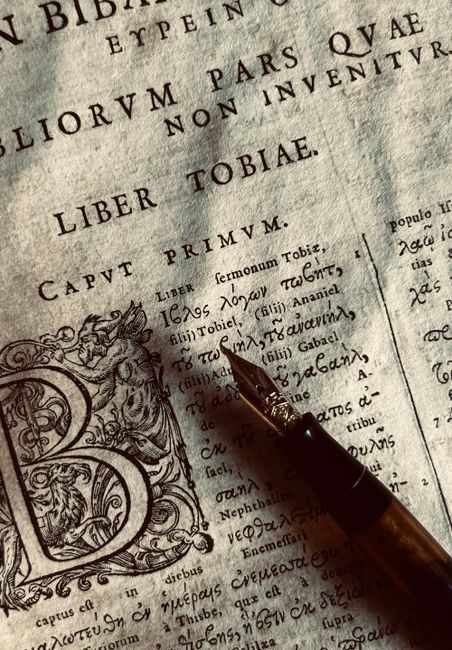
Prophecies are arranged in 9 books‚ each containing 100 quatrains. They follow a strict poetic form‚ with four lines per verse‚ written in French Renaissance style. The structure allows readers to interpret symbolic language within historical context.Quatrains are numbered‚ enabling cross‑reference fully
Quatrains and Interpretation
Each quatrain is a compact‚ four‑line stanza that encapsulates a prophetic idea. The verses are written in archaic French‚ often employing allegory‚ metaphor‚ and symbolic imagery. Scholars dissect each line‚ seeking hidden meanings tied to historical events‚ celestial phenomena‚ or political shifts. The interpretive process typically follows several steps: first‚ the text is transliterated into modern language; second‚ linguistic nuances are examined‚ such as wordplay or double meanings; third‚ contextual clues—like the date of publication or the author’s contemporary references—are cross‑checked against known events. Many readers rely on concordances that list all occurrences of key terms‚ while others use thematic categorization‚ grouping quatrains by subject (e.g.‚ wars‚ plagues‚ natural disasters). The ambiguity of the language allows for multiple readings‚ which is both a strength and a weakness. A single quatrain might be read as a prediction of a future catastrophe or as a metaphorical commentary on human folly. This interpretive flexibility has led to debates among historians‚ theologians‚ and skeptics. Some argue that the vague phrasing permits post‑hoc fitting‚ while others claim that the precision of certain dates and details demonstrates genuine foresight. In digital editions‚ hyperlinked annotations help readers navigate related quatrains‚ providing a web of interconnected insights that enrich the study of Nostradamus’s oeuvre. Researchers also compare quatrains across different editions‚ noting variations that may reflect editorial choices or contextual updates. Such meticulous analysis underscores the enduring intrigue surrounding Nostradamus’s cryptic verses. The format enhances accessibility allowing scholars to engage the text.

Major Themes Covered
Nostradamus’s prophecies span political upheaval‚ social change‚ and natural disasters‚ weaving predictions of wars‚ plagues‚ and celestial events into a tapestry that reflects humanity’s collective anxieties and aspirations across centuries. Explore more. today.
Political‚ Social‚ and Natural Events
In the vast corpus of Nostradamus’s quatrains‚ the recurring motifs of political turbulence‚ societal shifts‚ and environmental upheavals are woven into a prophetic tapestry that spans centuries. The seer’s verses frequently allude to dynastic changes‚ revolutions‚ and the rise and fall of empires‚ often framed within the context of celestial alignments that he believed influenced human affairs. By examining the language of his predictions‚ scholars trace references to wars that reshaped borders‚ coups that toppled long‑established regimes‚ and the emergence of new political ideologies that challenged traditional hierarchies. These political narratives are interlaced with depictions of social transformations: the spread of new religious movements‚ the erosion of class structures‚ and the evolution of cultural norms that reflect the collective psyche of the era. Moreover‚ Nostradamus’s writings are replete with descriptions of natural catastrophes—earthquakes‚ floods‚ famines‚ and plagues that he linked to divine judgment or cosmic cycles. The interplay between these themes suggests a worldview in which human destiny is inseparable from the forces of nature and the shifting currents of power. Modern researchers employ textual analysis‚ cross‑referencing historical events with the dates and symbols embedded in the quatrains‚ to assess the extent to which these prophetic insights align with documented occurrences. The relevance endures
Accuracy and Criticism
Scholars debate Nostradamus’s precision in modern scholarship today Critics claim his predictions are vague‚ often post‑facto‚ and rely on retroactive fitting. Supporters point to coincidences‚ yet analyses now reveal no significant predictive power beyond chance
Case Studies and Skepticism
Numerous case studies examine Nostradamus’s verses against historical events. Scholars compare specific quatrains to dates of wars‚ plagues‚ and political upheavals‚ noting both striking parallels and glaring mismatches. One frequently cited example is the prediction of a “great fire” in Paris‚ which some link to the 1572 massacre‚ yet the original text is ambiguous and the event’s timeline is disputed. Other studies focus on the 20th‑century “global catastrophe” interpretations‚ where critics argue that vague language allows for retroactive fitting. Researchers employ statistical methods‚ assigning probability scores to alleged hits versus random chance. Many analyses conclude that the proportion of accurate predictions does not exceed what would be expected by coincidence‚ especially when considering the vast number of quatrains. Skeptics point out that the prophetic style relies heavily on metaphor‚ symbolism‚ and ambiguous phrasing‚ making definitive validation nearly impossible. Despite this‚ a small group of believers continues to argue that the cumulative effect of multiple seemingly accurate predictions indicates a genuine prophetic insight. Ongoing debates emphasize the need for rigorous methodology‚ transparent criteria‚ and a cautious approach to interpreting Nostradamus’s legacy. Readers are urged to balance wonder with skepticism‚ recognizing that Nostradamus’s verses blend poetic mystery with historical context‚ reflecting human desire meaning.

Digital Tools for PDF Analysis
Explore OCR‚ full‑text search‚ and annotation software to dissect Nostradamus PDFs. Use PDF readers with keyword highlighting‚ note‑taking‚ and version comparison to track quatrains‚ dates‚ and linguistic patterns efficiently. Enhance research accuracydata

Searchability and Annotation Features
Modern PDF readers provide powerful search functions that allow scholars to locate specific quatrains or phrases across vast collections of Nostradamus’s prophecies. By enabling full‑text indexing‚ users can perform keyword queries‚ phrase searches‚ and even regular‑expression matching to uncover hidden patterns or recurring motifs. The ability to filter results by date‚ location‚ or thematic tag further refines the analysis.
Annotation tools transform static documents into interactive research platforms. With built‑in highlight‚ underline‚ and comment features‚ readers can mark passages‚ attach explanatory notes‚ and link related verses. Some applications support collaborative annotations‚ allowing multiple researchers to share insights‚ debate interpretations‚ and build a collective knowledge base. Exporting annotations to CSV or XML formats preserves metadata for future reference.
Advanced features such as version comparison and change tracking enable scholars to monitor how digital transcriptions evolve over time. When new editions or corrections are added‚ side‑by‑side diff views reveal alterations in wording‚ punctuation‚ or page layout‚ ensuring that interpretations remain grounded in the most accurate source material. Together‚ these searchability and annotation capabilities streamline the study of Nostradamus’s prophetic literature‚ making it accessible to both casual readers and rigorous academics.
AI flags hidden patterns in textnow.
Using PDFs for Research
Researchers harness Nostradamus PDFs to trace prophetic themes‚ cross‑referencing quatrains with historical events. By layering metadata—date‚ location‚ and keyword tags—analysts build searchable databases‚ enabling pattern detection and comparative studies across editions. and data analysis!!
Methodology and Best Practices
Researchers begin by selecting reputable PDF sources‚ ensuring authenticity through cross-checking publication dates and author credentials. Once a document is secured‚ the next step involves converting scanned pages into searchable text via OCR‚ which preserves original formatting while enabling keyword queries. Annotating each quatrain with metadata—such as the year of composition‚ geographic references‚ and thematic tags—facilitates nuanced analysis. Digital tools like Zotero or Mendeley can store PDFs alongside citation metadata‚ allowing researchers to link specific verses to scholarly commentary. When conducting comparative studies‚ it is essential to employ version control; multiple editions of Nostradamus’s work often contain variations that can alter interpretation. A systematic approach involves creating a spreadsheet that lists each quatrain number‚ its original wording‚ any known translation‚ and a brief interpretive note. This table serves as a reference point for cross‑checking against historical events or other prophetic texts. Digital tools like Zotero or Mendeley can store PDFs alongside citation metadata‚ allowing researchers to link verses to scholarly commentary. By adhering to these best practices‚ scholars can conduct rigorous‚ reproducible studies that respect both the historical significance of Nostradamus’s prophecies and the methodological standards of contemporary research. Such rigor ensures analysis is transparent.Add!!!