
Extracting table data from PDFs is increasingly vital, driven by the need for automated data handling and analysis in diverse fields․
This process transforms unstructured PDF content into usable, structured data formats, streamlining workflows and enhancing data-driven decision-making․
The Growing Need for Automated Data Extraction
The demand for automated data extraction, specifically from PDF tables, is surging across industries․ Businesses are inundated with data locked within PDF reports, invoices, and research papers․ Manual data entry is time-consuming, prone to errors, and costly – hindering efficiency and scalability․ Automated extraction offers a solution, enabling organizations to quickly and accurately convert PDF table data into usable formats like CSV or Excel․
This capability fuels better analytics, reporting, and informed decision-making․ The rise of big data and the need for real-time insights further amplify this need․ Tools like VeryPDF’s online extractor and comprehensive toolkits such as PDF-Extract-Kit address this challenge, providing accessible and powerful solutions for extracting valuable information from PDF documents, ultimately driving operational improvements․

Challenges in Extracting Tables from PDFs
Extracting tables from PDFs presents significant hurdles due to the format’s inherent complexity․ PDFs often lack the structured data organization found in native table formats, making automated detection difficult․ Variations in table structure – spanning columns, merged cells, and hierarchical headers – further complicate the process, as highlighted by evaluations of commercial tools like ComPDF․
Scanned PDFs and images introduce another layer of challenge, requiring Optical Character Recognition (OCR) to convert images of text into machine-readable data․ Accuracy can be compromised with poor image quality․ Even with OCR, correctly identifying table boundaries and cell content remains a complex task․ The inconsistent formatting and layout across different PDF sources necessitate robust and adaptable extraction methods, like those offered by PdfTable’s unified toolkit․

Methods for Extracting Table Data
Various approaches exist for PDF table extraction, ranging from convenient online tools like VeryPDF, to software solutions such as ComPDF, and powerful Python libraries․
Online PDF Table Extraction Tools

Online PDF table extraction tools offer a quick and accessible solution for converting PDF tables into editable formats without requiring software installation․ VeryPDF Online Table Extractor stands out as a free and effective option, providing users with the flexibility to select specific rows, columns, or multiple tables within a single document․
This browser-based tool simplifies the process, allowing direct PDF uploads and immediate data extraction․ Once extracted, data can be exported in various formats, including CSV, Excel (XLSX), and plain text, facilitating seamless integration into existing workflows for analysis, reporting, and presentations․ These tools are particularly useful for occasional extraction tasks or when a lightweight solution is preferred over more complex software installations․
VeryPDF Online Table Extractor: Features and Benefits
VeryPDF Online Table Extractor provides a user-friendly interface for effortless PDF table data extraction․ A key benefit is its accessibility – being entirely browser-based, it eliminates the need for any software downloads or installations, saving time and resources․ Users gain granular control, with the ability to selectively extract specific rows, columns, or even multiple tables from a single PDF document;
Furthermore, the tool supports multiple export options, including CSV, Excel (XLSX), and text formats, ensuring compatibility with various data analysis and reporting tools․ This flexibility streamlines integration into existing workflows․ Its simplicity and efficiency make it ideal for quick, one-off table extractions, offering a convenient solution for users needing rapid access to structured data from PDFs․
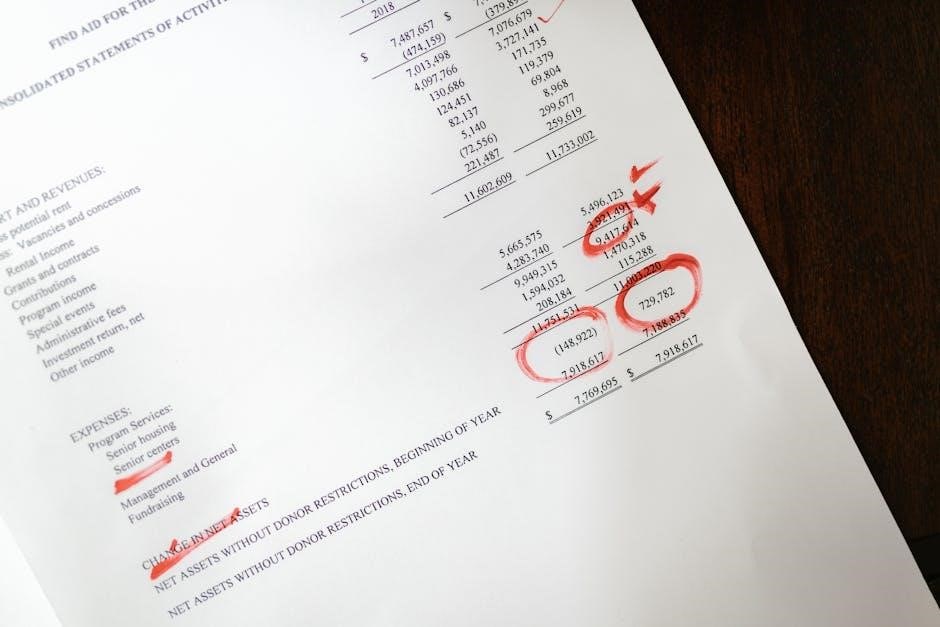
Software-Based Table Extraction
Software-based solutions offer robust capabilities for extracting table data from PDFs, often providing greater accuracy and control compared to online tools․ Commercial options, like ComPDF, stand out for their advanced features and reliability․ Recent evaluations of several commercial table extraction tools highlighted ComPDF as uniquely capable of correctly capturing hierarchical column headers – a crucial feature often missed by competitors․
These software packages typically employ sophisticated algorithms and OCR technology to identify and reconstruct table structures within PDFs․ While requiring an initial investment, they often deliver superior performance, particularly when dealing with complex layouts or large volumes of documents․ They are well-suited for organizations with consistent, high-volume PDF table extraction needs, prioritizing precision and automation․
ComPDF: A Commercial Solution for Accurate Extraction
ComPDF emerges as a leading commercial solution for precise PDF table extraction, distinguished by its ability to handle complex document structures․ A recent comparative analysis of various table extraction tools specifically identified ComPDF as the sole software capable of accurately interpreting hierarchical column headers – a common challenge for automated systems․ This capability is vital for documents with multi-level table organization․
Beyond header recognition, ComPDF likely offers a comprehensive suite of features designed for reliable data capture․ While specific details require further investigation, its performance suggests robust algorithms and potentially advanced OCR integration․ For organizations requiring consistently accurate table extraction, particularly from intricate PDFs, ComPDF presents a compelling option, justifying its commercial licensing model․
Python Libraries for PDF Table Extraction
Python provides a rich ecosystem of libraries for automating PDF table extraction, catering to diverse needs and technical expertise․ PDF-Extract-Kit stands out as a comprehensive toolkit, continually updated with new features like the ‘StructEqTable’ module for enhanced table content extraction․ Released in July 2024, it focuses on high-quality PDF content extraction, including layout detection, crucial for accurate table identification․
Alternatively, PdfTable offers a deep learning-based approach, integrating multiple open-source models for table recognition and OCR․ This toolkit addresses common extraction issues by leveraging seven table recognition models and four OCR tools․ These Python libraries empower developers to build custom solutions tailored to specific PDF structures and extraction requirements, offering flexibility and control․
PDF-Extract-Kit: A Comprehensive Toolkit
PDF-Extract-Kit is a robust Python library designed for high-quality PDF content extraction, offering a versatile solution for table data retrieval․ Released in July 2024, it’s continually evolving, with recent additions like the ‘StructEqTable’ module specifically aimed at improving table content extraction accuracy․ This toolkit doesn’t just focus on tables; it also provides powerful layout detection capabilities, essential for correctly identifying table boundaries within complex PDF documents․

Its comprehensive nature makes it suitable for a wide range of PDF structures, from simple to highly complex layouts․ Developers can leverage its features to build customized extraction pipelines, ensuring optimal performance and accuracy for their specific needs․ The library’s active development and focus on quality make it a valuable asset for anyone working with PDF data․
PdfTable: A Deep Learning-Based Toolkit
PdfTable represents a cutting-edge approach to PDF table extraction, leveraging the power of deep learning to overcome traditional challenges․ Introduced in September 2024, this unified toolkit addresses common issues in table recognition and data extraction, integrating a diverse range of open-source models․ It boasts seven distinct table recognition models and four Optical Character Recognition (OCR) tools, providing flexibility and adaptability for various PDF types․
This toolkit’s strength lies in its ability to handle complex scenarios, including those requiring accurate OCR for scanned documents or images embedded within PDFs․ By combining multiple models, PdfTable aims to achieve superior accuracy and robustness in extracting structured data from unstructured PDF content, making it a powerful option for demanding applications․

Key Features to Look for in a Table Extraction Tool
Essential features include accuracy, support for diverse table structures, and flexible export options like CSV or Excel․ Handling complex PDFs is also crucial․
Accuracy and Reliability of Extraction
Achieving high accuracy is paramount when extracting tables from PDFs, as errors can lead to flawed analysis and incorrect conclusions․ Commercial solutions like ComPDF stand out, demonstrably capturing even hierarchical column headers correctly – a significant challenge for many tools․ The reliability of a tool hinges on its ability to consistently and accurately identify table boundaries, cell structures, and data types within the PDF․
A robust extraction tool should minimize misinterpretations caused by variations in PDF formatting, font styles, or image quality․ Thorough testing, as evidenced by evaluations of multiple tools, reveals substantial performance differences․ The best tools prioritize minimizing errors and ensuring data integrity throughout the extraction process, delivering dependable results for critical applications․
Ultimately, a reliable tool saves time and resources by reducing the need for manual correction and validation of extracted data․
Support for Different Table Structures
Effective PDF table extraction requires handling a wide array of table structures, as PDFs rarely adhere to a uniform format․ Tools must adeptly process simple, regularly formatted tables, but also complex layouts featuring merged cells, spanning rows or columns, and irregular boundaries․ The ability to discern and accurately extract data from these varied structures is crucial for comprehensive data capture․
Furthermore, some tools, like VeryPDF’s Online Table Extractor, offer flexibility by allowing users to select specific rows, columns, or even multiple tables within a single document․ This granular control is invaluable when dealing with PDFs containing numerous tables or when only a subset of the data is required․
A truly versatile tool will accommodate both text-based and image-based tables, leveraging OCR technology when necessary to convert scanned images into machine-readable data․
Export Options (CSV, Excel, Text)
The utility of a PDF table extraction tool is significantly enhanced by its export capabilities․ Seamless integration with existing workflows demands support for common data formats․ Consequently, the ability to export extracted data in CSV (Comma Separated Values), Excel (XLSX), and plain text formats is paramount․
CSV is ideal for basic data manipulation and import into various analytical tools, while Excel provides a user-friendly environment for further processing, formatting, and visualization․ Text format offers a simple, universally accessible option for quick data review or integration into text-based applications․
VeryPDF’s Online Table Extractor specifically highlights its multiple export options, emphasizing ease of integration into existing analysis, reporting, and presentation workflows․ Offering diverse export formats ensures the tool caters to a broad range of user needs and preferences․
Handling of Complex PDFs (Scanned Documents, Images)
Many PDF table extraction challenges arise from the complexity of the source documents themselves․ Scanned PDFs and those containing images of tables, rather than digitally created ones, present a significant hurdle․ These require Optical Character Recognition (OCR) to convert the image-based text into machine-readable data before table extraction can even begin․
Effective tools must seamlessly integrate OCR capabilities or offer compatibility with external OCR engines․ The PdfTable toolkit specifically addresses this by integrating four different OCR recognition tools, demonstrating the importance of this feature․ Accurate OCR is crucial; errors in character recognition directly impact the reliability of the extracted table data․
Furthermore, handling variations in image quality, skew, and noise within scanned documents is essential for robust performance․ Advanced algorithms are needed to accurately identify table structures even in suboptimal conditions․

Advanced Techniques and Considerations
Sophisticated table extraction often necessitates OCR for scanned PDFs and careful handling of hierarchical column headers, as demonstrated by ComPDF’s capabilities․
Optical Character Recognition (OCR) for Scanned PDFs
When dealing with scanned PDFs or image-based documents, Optical Character Recognition (OCR) becomes a crucial preprocessing step for successful table extraction․ Since these files don’t contain selectable text, OCR technology converts the images of text into machine-readable characters․

PdfTable, a deep learning-based toolkit, explicitly integrates multiple OCR tools – recognizing the importance of this step․ Without accurate OCR, table structure detection and data extraction will inevitably fail․ The quality of the OCR engine directly impacts the overall accuracy of the extracted data․
Different OCR engines may perform better on varying document qualities and fonts․ Therefore, selecting an appropriate OCR tool, or even utilizing a combination of tools, is essential for optimal results․ Advanced OCR techniques can also handle skewed images, noise, and low-resolution scans, further improving the reliability of the extraction process․
Dealing with Hierarchical Column Headers
Extracting tables with hierarchical column headers – where headers span multiple levels – presents a significant challenge for automated tools․ Standard table extraction methods often struggle to correctly interpret these complex structures, leading to misaligned data or flattened header information․
However, some solutions are specifically designed to address this issue․ According to a recent evaluation of commercial table extraction tools, ComPDF was the only one capable of accurately capturing hierarchical column headers during testing․ This highlights the importance of selecting a tool with advanced capabilities for handling complex table layouts․
Successfully identifying and preserving the hierarchy is crucial for maintaining the context and meaning of the data․ Tools that can recognize and represent these relationships ensure the extracted data remains usable and interpretable for downstream analysis and reporting․

Future Trends in PDF Table Extraction
The future of PDF table extraction is poised for significant advancements, driven by developments in deep learning and artificial intelligence․ We’re seeing a move towards more unified toolkits, like PdfTable, integrating multiple open-source models for both table recognition and Optical Character Recognition (OCR)․ This holistic approach promises improved accuracy and robustness, particularly with scanned documents and images․
Further development of comprehensive toolkits, such as PDF-Extract-Kit, with modules like StructEqTable, will likely become commonplace․ Expect increased automation in handling complex layouts, including hierarchical headers and merged cells․ The integration of more sophisticated OCR engines will also enhance the extraction of data from low-quality PDFs․
Ultimately, the goal is to achieve near-perfect extraction accuracy with minimal human intervention, enabling seamless data integration and analysis across various applications․