
Yamaha Stryker Service Manual: A Comprehensive Guide
Navigating Stryker ownership demands a dedicated resource; this guide details accessing and utilizing the official Yamaha service manual, crucial for maintenance and repair.
The Yamaha Stryker, a power cruiser known for its striking aesthetics and robust engine, demands meticulous care to maintain peak performance. Introduced as a stylish alternative within the Star Cruiser lineup, the Stryker boasts a 1300cc V4 engine delivering substantial torque.
Understanding its intricate systems requires more than just basic knowledge; a comprehensive service manual is paramount. Whether you’re a seasoned mechanic or a dedicated DIY enthusiast, access to detailed diagrams, torque specifications, and repair procedures is essential for successful maintenance and troubleshooting. Proper upkeep ensures years of reliable riding enjoyment.
Why a Service Manual is Essential
A Yamaha Stryker service manual isn’t merely a helpful guide—it’s a necessity for responsible ownership. Attempting repairs without precise instructions can lead to further damage, costly mistakes, and compromised safety. The manual provides detailed, step-by-step procedures for everything from routine maintenance like oil changes to complex tasks like engine overhauls.
It ensures correct torque specifications are met, preventing component failure. Furthermore, it’s crucial for diagnosing electrical faults and understanding the intricacies of the Stryker’s systems. Consulting the manual safeguards your investment and guarantees a safe, enjoyable riding experience.

Understanding Your Stryker’s Manual
Decoding your Stryker’s manual unlocks a wealth of knowledge, from setup procedures to detailed maintenance schedules, ensuring confident operation and longevity.
Locating the Official Yamaha Service Manual
Finding the correct Yamaha Stryker service manual is paramount for accurate repairs. Yamaha dealers are the primary source, offering both physical copies and potentially directing you to official digital versions. Online searches reveal various vendors selling PDF downloads, but verifying authenticity is crucial. Beware of unofficial sources; prioritize manuals directly from Yamaha or reputable distributors.
Consider searching specifically for manuals corresponding to your Stryker’s year, as variations exist. Forums and online communities (discussed later) often share links or information regarding legitimate sources. Always confirm the manual covers your specific model – the XVS1300 series – to avoid incompatibility issues during maintenance or repair procedures.
PDF vs. Physical Manual: Pros and Cons
Digital PDF manuals offer portability and convenience; searchable text allows quick access to specific information. However, they require a device and can be susceptible to file corruption. Physical manuals are durable, don’t rely on batteries, and are often preferred in greasy workshop environments.
Conversely, physical copies are less portable and searching is time-consuming. PDFs can be printed, but this adds expense. Consider your work style: frequent, on-the-go referencing favors a PDF, while detailed, infrequent repairs might benefit from a physical manual’s tactile experience and robustness.

Key Sections of the Yamaha Stryker Service Manual
Essential sections cover engine overhaul, electrical diagnostics, chassis adjustments, and braking system procedures – providing detailed instructions for comprehensive Stryker maintenance.
Engine and Drivetrain Service
This section meticulously details procedures for the Yamaha Stryker’s engine and drivetrain. Expect comprehensive guidance on valve adjustments, piston replacement, and cylinder head servicing. Detailed diagrams illustrate component disassembly and reassembly, ensuring accurate execution of repairs;
Furthermore, it covers clutch maintenance, transmission service, and driveshaft inspection. Torque specifications are prominently featured, vital for preventing damage. Troubleshooting guides address common engine issues, like starting problems and performance loss. Proper lubrication procedures, including oil and filter changes, are also thoroughly explained, extending component life and maintaining optimal performance.
Electrical System Diagnostics and Repair
The Yamaha Stryker service manual’s electrical section provides systematic troubleshooting steps for all electrical components. Detailed wiring diagrams are essential for tracing circuits and identifying faults. Procedures cover battery testing, charging system diagnosis, and starter motor repair.
It includes instructions for inspecting and repairing the ignition system, lighting, and instrumentation. Guidance is given on using a multimeter to test voltage, continuity, and resistance. Specific attention is paid to the ECU and sensor diagnostics. Safety precautions are emphasized when working with electrical systems, preventing shorts and potential hazards.
Chassis and Suspension Maintenance
The Yamaha Stryker service manual dedicates a section to maintaining the chassis and suspension for optimal handling. It details procedures for inspecting and lubricating steering components, including the bearings and linkages. Fork oil replacement is covered, along with instructions for adjusting preload and damping.
Rear shock maintenance, including checking for leaks and proper function, is also explained. Wheel bearing inspection and replacement are outlined, ensuring smooth rolling. Torque specifications for all chassis fasteners are critical for safety and proper assembly. Regular inspection prevents wear and tear, enhancing ride quality.

Braking System Overhaul
The Yamaha Stryker service manual provides detailed instructions for a complete braking system overhaul. It covers inspection of brake lines for damage and proper fluid levels, alongside bleeding procedures to remove air from the system. Brake pad replacement is thoroughly explained, including wear limit specifications.
Rotor inspection for warping or damage is crucial, with guidance on proper measurement techniques. Caliper disassembly, cleaning, and rebuild procedures are detailed, ensuring optimal function. Master cylinder maintenance, including seal replacement, is also covered. Always adhere to torque specifications for safe and effective braking performance.

Essential Maintenance Procedures
The Yamaha Stryker service manual outlines routine checks, oil changes, coolant services, and air filter replacements – vital for longevity and performance.
Routine Maintenance Schedules
The Yamaha Stryker service manual emphasizes adhering to strict maintenance intervals. These schedules, typically mileage or time-based, cover essential checks and services. Regular inspections of fluid levels – oil, coolant, brake fluid – are paramount, alongside chain adjustments and lubrication.
Valve clearances require periodic inspection and adjustment, impacting engine performance. Spark plug replacement and air filter cleaning/replacement are also crucial. Following the manual’s schedule prevents premature wear, ensures optimal operation, and safeguards against costly repairs. Ignoring these routines can void warranties and compromise rider safety.
Oil Change Procedures
The Yamaha Stryker service manual details a precise oil change procedure. Begin by warming the engine for optimal flow. Locate the oil drain plug and prepare a suitable container. Remove the plug, allowing complete drainage, then replace the oil filter with a new, specified unit.
Reinstall the drain plug with a fresh washer, torquing to the manual’s specification. Add the recommended oil quantity – typically around 1.8 liters – and verify the level via the sight glass. Dispose of used oil responsibly. Regular oil changes, as per the manual, are vital for engine longevity and performance.
Coolant System Service
The Yamaha Stryker service manual emphasizes proper coolant maintenance. Begin with a cold engine to prevent scalding. Locate the radiator drain cock and coolant reservoir cap. Drain the old coolant into a suitable container, ensuring environmentally sound disposal.
Flush the system with distilled water until clear, then close the drain cock. Refill with the recommended Yamaha coolant mixture – typically 50/50 coolant/water – and bleed any air from the system. Check the coolant level in the reservoir and monitor for leaks. Regular coolant service prevents corrosion and overheating.

Air Filter Replacement
The Yamaha Stryker service manual details a straightforward air filter replacement process. Locate the air filter box, usually positioned near the engine intake. Release any clips or screws securing the air filter cover. Remove the old air filter, noting its orientation for correct installation of the new one.
Inspect the air filter box for debris and clean as needed. Install the new air filter, ensuring a proper seal. Reattach the air filter cover and secure all clips or screws. Regular air filter replacement maximizes engine performance and fuel efficiency, protecting against dirt and contaminants.
Troubleshooting Common Issues
The Yamaha Stryker service manual aids in diagnosing starting problems, fuel system faults, and electrical issues, offering systematic solutions for owners.
Starting Problems
Addressing starting issues with your Yamaha Stryker requires a methodical approach, detailed within the service manual. Common culprits include a discharged battery, faulty starter relay, or a problematic ignition system. The manual provides diagnostic flowcharts to pinpoint the source of the problem efficiently.
It outlines procedures for checking battery voltage, testing the starter motor, and inspecting ignition components like spark plugs and coils. Fuel delivery issues, such as a clogged fuel filter or failing fuel pump, are also covered. Detailed diagrams and torque specifications ensure correct reassembly after inspection or repair, minimizing further complications and getting you back on the road.
Fuel System Issues
The Yamaha Stryker service manual dedicates significant attention to fuel system diagnostics. Issues can range from a simple clogged fuel filter to more complex problems with the fuel pump, fuel injectors, or the throttle body. The manual provides step-by-step instructions for inspecting and cleaning these components.
Detailed diagrams illustrate the fuel system’s layout, aiding in troubleshooting. Procedures for checking fuel pressure and injector functionality are included, alongside specifications for proper fuel mixture settings. Addressing fuel system problems promptly prevents engine damage and ensures optimal performance, referencing torque specs for secure reassembly after any maintenance or repair work.
Electrical Faults
The Yamaha Stryker service manual offers comprehensive guidance on diagnosing and resolving electrical issues. Common faults include blown fuses, faulty relays, and wiring harness damage. The manual features detailed wiring diagrams, essential for tracing circuits and identifying shorts or open connections.
Procedures for testing components like the ignition coils, sensors, and the ECU are clearly outlined. Utilizing a multimeter, owners can verify voltage and continuity. Safety precautions are emphasized when working with the electrical system, and the manual specifies correct fuse ratings and connector pinouts, ensuring accurate repairs and preventing further electrical complications.
Repair Procedures & Safety Precautions
The manual details step-by-step repair processes, emphasizing precise torque specifications and the use of specialized tools for safe, effective Stryker maintenance.
Torque Specifications
Accurate torque application is paramount during Stryker repairs, preventing component damage and ensuring rider safety. The Yamaha service manual meticulously lists torque values for every bolt and fastener on the motorcycle.
These specifications are categorized by component – engine, chassis, suspension, and brakes – for easy reference. Ignoring these values can lead to stripped threads, loosened parts, and potential mechanical failure.
Always utilize a calibrated torque wrench and adhere strictly to the manual’s guidelines. The manual often specifies different torque values for dry versus lubricated threads, a critical detail often overlooked. Proper torque ensures optimal performance and longevity of your Stryker.
Special Tools Required
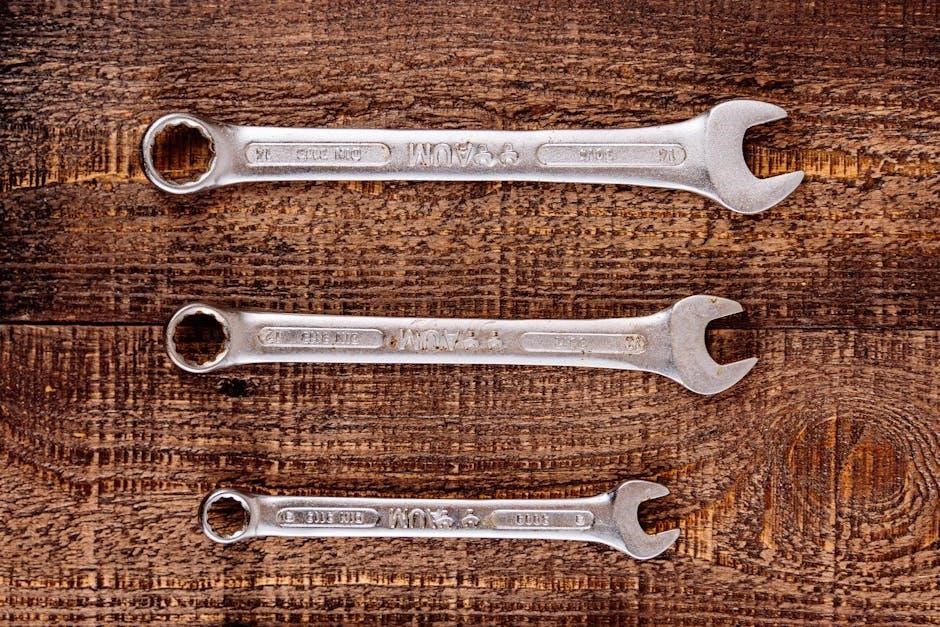
Effectively servicing a Yamaha Stryker often necessitates specialized tools beyond a standard mechanic’s set. The service manual details these requirements, ensuring accurate and safe repairs. Commonly needed tools include a flywheel holding tool for ignition work, a fork cap wrench for suspension adjustments, and specific spanner wrenches for certain fasteners.
Furthermore, diagnostic tools like a multimeter and potentially a Yamaha diagnostic tool may be crucial for electrical system troubleshooting. Attempting repairs without the correct tools can lead to damage and frustration.
Investing in these tools, or renting them from a reputable source, is vital for successful Stryker maintenance and repair.
Safety Guidelines During Repair
Prioritizing safety is paramount when performing any maintenance or repair on your Yamaha Stryker. Always disconnect the negative battery terminal to prevent accidental shorts and electrical shock. Wear appropriate safety glasses and gloves to protect your eyes and skin.
Ensure the motorcycle is securely supported on a lift or stand before undertaking any work. Be mindful of hot engine components and exhaust systems. Properly dispose of all fluids, like oil and coolant, according to local regulations.
Consult the service manual for specific warnings and precautions related to each procedure.
Resources for Stryker Owners
Connect with online forums, Yamaha dealer support, and utilize parts diagrams for a thriving Stryker ownership experience and efficient repair assistance.

Online Forums and Communities
Engaging with fellow Yamaha Stryker enthusiasts online provides an invaluable support network. Numerous forums and communities dedicated to the Stryker offer a platform to exchange knowledge, troubleshoot issues, and share repair experiences.
These digital spaces often contain detailed discussions on specific maintenance procedures, common problems, and modifications. Members frequently share PDF manuals, wiring diagrams, and helpful tips not always found in the official service manual.
Participating in these communities can significantly reduce repair costs and time, offering a collaborative approach to Stryker ownership and maintenance. It’s a fantastic resource for both novice and experienced mechanics.

Yamaha Dealer Support
Direct access to Yamaha dealer support remains a cornerstone of Stryker ownership. Dealers possess specialized knowledge, diagnostic tools, and genuine Yamaha parts crucial for complex repairs or warranty claims.
Consulting a dealer is particularly recommended when encountering issues beyond your mechanical expertise or when the service manual’s instructions are unclear. They can provide professional guidance and ensure repairs are performed to Yamaha’s standards.
Furthermore, dealers can assist with locating specific service manual sections, interpreting torque specifications, and offering advice on specialized tools. Utilizing their expertise guarantees a safe and reliable repair process.
Parts Diagrams and Ordering
Accurate parts identification is vital during any Stryker repair, and detailed parts diagrams are readily available. The Yamaha service manual often includes exploded views illustrating component relationships, simplifying the ordering process.
Online resources and Yamaha’s official website provide interactive parts catalogs, allowing owners to locate specific components using part numbers or visual references. These diagrams ensure you order the correct replacement parts, avoiding delays and compatibility issues.
Ordering parts can be done directly through a Yamaha dealer or authorized online retailers. Always verify part numbers against the service manual to guarantee a precise fit and proper function.