Guide Dogs for the Blind Adoption: A Comprehensive Guide

Navigating life with vision loss is significantly eased through the companionship and assistance of a guide dog. This guide details the rewarding process of adopting a retired guide dog, offering insights into their unique qualities and the support available to potential adopters.
Adoption provides a loving home for these incredible animals while benefiting from their exceptional training and temperament, as highlighted in resources like Pinterest’s adoption guides.
Understanding the differences between adoption and rescue, as explored on platforms like storage.googleapis.com, is crucial when making this life-changing decision.
What is a Guide Dog?
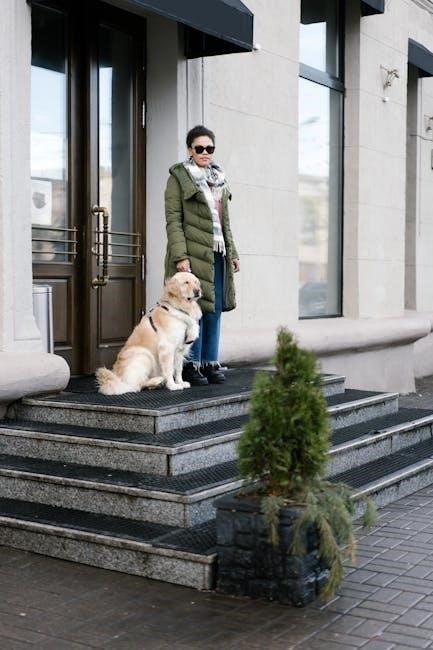
Guide dogs are meticulously trained service animals that provide mobility assistance to individuals with visual impairments. These remarkable canines undergo extensive training to navigate various environments safely and confidently, acting as a reliable travel aid for their handlers.
Unlike typical pets, guide dogs are specifically selected for their temperament, intelligence, and ability to focus amidst distractions. They are taught to disobey commands that would put their handler in danger, demonstrating a high level of independent judgment. This training isn’t simply about obedience; it’s about responsible guidance.
Organizations dedicated to guide dog training, like those referenced in adoption resources, invest significant time and resources into preparing these dogs for their crucial role. They learn to negotiate obstacles, traffic, and public transportation, offering increased independence and freedom to their handlers. Upon retirement, these highly-trained dogs often become available for adoption, offering a unique opportunity for a loving home.
Adopting a retired guide dog isn’t just gaining a pet; it’s welcoming a companion with a remarkable history and skillset.
The Rigorous Training Process
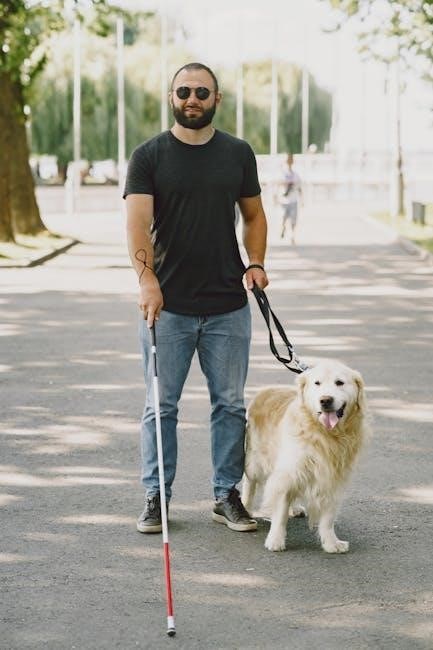
The journey of a guide dog is a testament to dedication and intensive training, typically spanning two years. It begins with careful breeding to select puppies with the desired temperament and health characteristics. These puppies are then placed with volunteer “puppy raisers” who provide crucial socialization and basic obedience training during their first year.
Following the puppy raising phase, dogs enter formal guide dog training, where they learn advanced skills like navigating obstacles, responding to specific commands, and making independent decisions to ensure their handler’s safety. This phase focuses on real-world scenarios, including busy city streets and public transportation.
Trainers employ positive reinforcement methods, building a strong bond and trust between the dog and handler. The process isn’t simply about teaching commands; it’s about fostering a partnership built on mutual respect and understanding. Successful completion of training signifies a dog’s readiness to provide life-changing assistance, and ultimately, a fulfilling retirement opportunity for adoption.
This rigorous process ensures the dog is prepared for a life of service and companionship.
Benefits of Adopting a Retired Guide Dog
Adopting a retired guide dog offers a unique and profoundly rewarding experience for both the adopter and the dog. These dogs come with a foundation of exceptional training, making them remarkably well-behaved and adaptable to various home environments. They’ve already mastered basic obedience and are accustomed to public settings, reducing typical adjustment challenges.
Beyond their training, retired guide dogs possess a calm and gentle temperament, having been carefully selected for their emotional stability. They offer unwavering companionship and can significantly enrich the lives of their new families. Their prior experience means they are often less prone to separation anxiety.
Furthermore, adopting a retired guide dog provides a loving home for a deserving animal who has dedicated years of service. It’s a chance to give back and offer a comfortable retirement filled with affection and care. You’re not just gaining a pet; you’re welcoming a hero into your life.
It’s a truly special bond built on gratitude and companionship.
Understanding the Adoption Process
The adoption process for a retired guide dog is thorough, designed to ensure a successful and lasting match between dog and adopter; It begins with an initial application, followed by a detailed screening process conducted by the guide dog organization. This typically involves reviewing the applicant’s lifestyle, home environment, and experience with dogs.

A crucial step is the home visit assessment, where a representative evaluates the suitability of the home and discusses the responsibilities of dog ownership. Potential adopters should be prepared to demonstrate a commitment to providing ongoing care, training reinforcement, and veterinary attention.
Matching is a careful process, considering the dog’s personality and needs alongside the adopter’s lifestyle. Once a match is made, a transition period begins, with guidance from the organization to facilitate a smooth adjustment for both dog and adopter. Patience and understanding are key during this phase.
The goal is a harmonious and fulfilling relationship for all involved.
Eligibility Requirements for Adopters
Becoming an adopter of a retired guide dog requires meeting specific criteria, ensuring a stable and loving home. While requirements vary between organizations, several common themes emerge. Generally, applicants must be adults with a demonstrated history of responsible pet ownership, or a clear understanding of the commitment involved.
A stable living situation is essential, with a secure and suitable environment for a dog. Financial stability is also considered, as adopters must be able to cover ongoing costs like food, veterinary care, and potential training.
Physical capability to handle a dog is important, though adaptations can be made for individuals with disabilities. A willingness to continue the dog’s training and socialization is crucial, reinforcing the skills they’ve already learned;
Ultimately, organizations seek adopters who can provide a safe, nurturing, and enriching life for these deserving animals.
Initial Application and Screening

The adoption journey begins with a comprehensive initial application. This detailed form gathers essential information about your lifestyle, experience with dogs, living situation, and motivations for adopting a retired guide dog. Honesty and thoroughness are paramount during this stage.
Following application submission, a preliminary screening process commences. Organizations review applications to assess basic eligibility and suitability. This often involves phone interviews with adoption counselors to discuss your responses and clarify any questions.
Screening aims to determine if your lifestyle aligns with the needs of a retired guide dog. Counselors will explore your daily routine, work schedule, and family dynamics. They’ll also discuss your expectations and understanding of the unique characteristics of these dogs.

Successful completion of the initial screening paves the way for the next step: a more in-depth home visit assessment.
Home Visit Assessment
A crucial step in the adoption process is the home visit assessment. A trained evaluator will visit your home to ensure it provides a safe and suitable environment for a retired guide dog. This isn’t an inspection, but rather a collaborative assessment focused on the dog’s well-being.
The evaluator will assess your property for potential hazards, such as unfenced areas or poisonous plants. They’ll also observe the layout of your home to determine if it’s easily navigable for a dog, considering potential accessibility needs.
During the visit, the evaluator will discuss your daily routine in detail, including exercise plans and arrangements for when you’re away from home. They’ll also assess your understanding of canine behavior and your commitment to providing ongoing training and care.
This assessment allows the organization to gain a comprehensive understanding of your lifestyle and ensure a successful match between you and a deserving dog.
Matching with a Suitable Dog
The matching process is a carefully considered step, prioritizing both the adopter’s needs and the dog’s temperament and personality. Guide dog organizations meticulously review applications and home visit assessments to identify potential matches.
Factors considered include your lifestyle, activity level, living situation, and experience with dogs. The organization will also assess the dog’s personality, energy level, and any specific needs or preferences they may have developed during their working life.
It’s important to remember that retired guide dogs are not “perfect” – they are individuals with unique quirks and characteristics. The goal is to find a dog whose personality complements your own, creating a harmonious and fulfilling companionship.
Organizations often provide detailed profiles of available dogs, including information about their training history, personality traits, and any known medical conditions. This allows you to make an informed decision and choose a dog who is the right fit for your life.
The Transition Period: Bringing Your Dog Home
Bringing a retired guide dog home marks the beginning of a beautiful adjustment period for both you and your new companion. Patience and understanding are key as your dog adapts to a life outside of structured work.
Initially, establish a routine, providing a safe and comfortable space for your dog to decompress. Minimize disruptions and allow them to explore their new surroundings at their own pace. Expect some initial anxiety or confusion as they adjust to a less regimented lifestyle.
Continue reinforcing positive behaviors with praise and rewards, but avoid expecting immediate perfection. Remember, they are accustomed to specific commands and may need time to unlearn working habits.
Gradually introduce them to new people, places, and experiences, always ensuring their comfort and safety. Building trust and a strong bond will be crucial during this transition, fostering a loving and lasting relationship.
Basic Care and Feeding
Providing proper nutrition and care is fundamental to your retired guide dog’s well-being. These dogs are accustomed to a high-quality diet, and maintaining that standard is crucial for their continued health and happiness.
Discuss the dog’s previous feeding schedule and dietary needs with the guide dog organization. Typically, they thrive on a balanced, commercially available dog food formulated for their age and activity level. Avoid sudden dietary changes, introducing new foods gradually to prevent digestive upset.
Regular grooming, including brushing and nail trimming, is essential. Consistent exercise, tailored to their individual needs and physical condition, will help maintain a healthy weight and prevent boredom.
Ensure access to fresh water at all times and establish a consistent feeding routine. Monitoring their weight and body condition will help you adjust their food intake as needed, ensuring a long and vibrant life.
Continued Training and Reinforcement
While retired guide dogs possess extensive training, continued reinforcement is vital for maintaining their skills and ensuring a harmonious relationship. These dogs thrive on structure and positive reinforcement, benefiting from consistent cues and rewards.
Although they are no longer working, occasional practice of basic obedience commands – sit, stay, come – will keep their minds engaged and strengthen your bond. Reinforce desired behaviors with praise, gentle petting, or small, healthy treats.
It’s important to understand that retired guide dogs may exhibit ingrained behaviors, such as attentive focus or a desire to lead. Redirecting these instincts positively, rather than suppressing them, is key.
Consider enrolling in a refresher course or working with a professional dog trainer to address any specific behavioral needs or to further enhance your communication and understanding. Consistency and patience are paramount.
Veterinary Care and Health Considerations
Adopting a retired guide dog comes with specific health considerations due to their working history and breed predispositions. Regular veterinary check-ups are crucial, ideally every six months, to monitor their overall health and address any age-related concerns.
Guide dogs often have a history of joint issues, such as hip and elbow dysplasia, due to the demands of their work. Proactive management, including weight control and joint supplements, can help maintain their mobility and comfort.
Dental hygiene is also paramount; regular teeth cleaning prevents dental disease, which can impact their overall health. Be prepared for potential costs associated with specialized veterinary care, as these dogs may require ongoing management for pre-existing conditions.
Discuss their medical history thoroughly with the guide dog organization and your veterinarian to create a tailored healthcare plan. Maintaining their health ensures a long, happy, and comfortable retirement.
Common Behavioral Traits of Retired Guide Dogs
Retired guide dogs possess a unique blend of training and temperament, making them exceptional companions. They are typically calm, well-socialized, and highly intelligent, having been exposed to a wide variety of environments and situations during their working lives.
Expect a dog that is remarkably obedient and eager to please, though they may initially exhibit behaviors related to their former job, such as scanning environments or anticipating directions. These traits usually diminish with time and a relaxed home life.
While incredibly well-behaved, they are still individuals and may have preferences or quirks. They generally enjoy routine and structure, but also appreciate affection and playtime.
Understanding their background and respecting their need for a peaceful retirement is key to a successful adoption. They thrive in stable environments and benefit from gentle guidance, not strict commands.
Addressing Potential Challenges
While incredibly rewarding, adopting a retired guide dog can present unique challenges. It’s crucial to be prepared for a transition period as the dog adjusts to a life of leisure, potentially exhibiting behaviors stemming from their rigorous working past.
Some dogs may initially struggle with relinquishing their “job,” displaying anxiety if left alone or attempting to guide their new owners. Patience and positive reinforcement are essential during this phase.
Pre-existing medical conditions, common in working dogs due to their active lives, may require ongoing veterinary care. Financial preparedness for these potential costs is vital.
Occasionally, a dog may exhibit sensitivity to certain stimuli or require assistance overcoming ingrained habits. Seeking guidance from the adopting organization or a professional dog trainer can be immensely helpful in navigating these situations and ensuring a harmonious relationship.
Financial Aspects of Adoption
Adopting a retired guide dog involves financial commitments beyond the initial adoption fee. While typically lower than the cost of raising a puppy, prospective adopters must budget for ongoing expenses to ensure a comfortable life for their new companion.
Adoption fees themselves vary between organizations, often covering initial veterinary checks, vaccinations, and microchipping. However, routine veterinary care, including annual check-ups, dental cleanings, and potential treatment for age-related conditions, represents a significant ongoing cost.
High-quality dog food, grooming supplies, and comfortable bedding are also essential. Furthermore, consider potential costs for training reinforcement or behavioral consultations if needed. Pet insurance can help mitigate unexpected veterinary bills, offering peace of mind.
Responsible pet ownership requires financial stability to provide for the dog’s well-being throughout its life. Thoroughly assess your budget before committing to adoption.
Adoption Fees and Ongoing Costs
The financial landscape of adopting a retired guide dog encompasses both upfront adoption fees and continuous, long-term expenses. While often more affordable than acquiring a puppy, careful budgeting is crucial for responsible ownership.
Adoption fees generally range from a few hundred to around a thousand dollars, varying by organization. These fees typically cover initial veterinary examinations, vaccinations, spaying/neutering, and microchipping. However, this is merely the beginning of the financial commitment.
Ongoing costs include high-quality dog food, regular veterinary check-ups, dental care, parasite prevention, grooming, and potential emergency medical expenses. Consider the cost of comfortable bedding, toys, and training reinforcement. Pet insurance is a worthwhile investment to offset unexpected veterinary bills.
Factor in potential costs for boarding or pet-sitting during travel. A realistic financial assessment ensures you can provide a loving and secure future for your adopted guide dog.
The Role of Guide Dog Organizations
Guide dog organizations are pivotal in facilitating the adoption of retired working dogs, providing comprehensive support throughout the entire process. These non-profit entities meticulously breed, raise, and train dogs specifically for guiding individuals with visual impairments.
Upon retirement – typically around 8-10 years old – these highly trained dogs become available for adoption, offering a second loving home. Organizations like Guide Dogs for the Blind and similar entities conduct thorough adopter screenings to ensure suitable matches.
They offer extensive resources, including adoption applications, home visit assessments, and post-adoption support. Many provide ongoing training advice and access to veterinary networks familiar with guide dog health considerations.
These organizations champion responsible dog ownership and advocate for the rights of individuals with disabilities. Their dedication ensures a smooth transition for both the dog and the adopter, fostering a fulfilling partnership.
Leading Organizations and Their Programs
Several esteemed organizations specialize in guide dog training and adoption, each with unique programs tailored to meet the needs of both dogs and adopters. Guide Dogs for the Blind is a prominent name, offering comprehensive services from initial training to lifetime support for adopters.
Another key player is Seeing Eye, renowned for its rigorous training standards and commitment to matching dogs with individuals based on lifestyle and personality. These organizations typically cover the initial training costs, making adoption accessible.
Canine Companions for Independence provides highly skilled assistance dogs, including guide dogs, and offers ongoing support groups and educational resources. Many programs include a “meet and greet” period, allowing potential adopters to interact with dogs before committing.
These organizations often have regional branches and collaborate to expand their reach, ensuring more individuals benefit from the life-changing companionship of a guide dog. Their websites provide detailed information on eligibility, applications, and program specifics.
Success Stories: Adopter Experiences
The transformative impact of adopting a retired guide dog is beautifully illustrated through countless adopter stories. Many individuals report a renewed sense of independence and confidence, highlighting the dogs’ exceptional training and unwavering support.
Adopters frequently share how their guide dogs have become cherished companions, enriching their lives beyond practical assistance. Stories often detail increased social interaction and a reduction in feelings of isolation, fostering a stronger connection to the community.
Retired guide dogs seamlessly transition into loving family pets, demonstrating adaptability and a gentle temperament. Adopters emphasize the organizations’ thorough support systems, providing ongoing guidance and resources to ensure a successful partnership.
These heartwarming narratives showcase the mutual benefits of adoption – a loving home for a deserving dog and a life-enhancing companion for an individual with vision loss. These experiences underscore the profound emotional connection formed between humans and their guide dogs.
Preparing Your Home for a Guide Dog
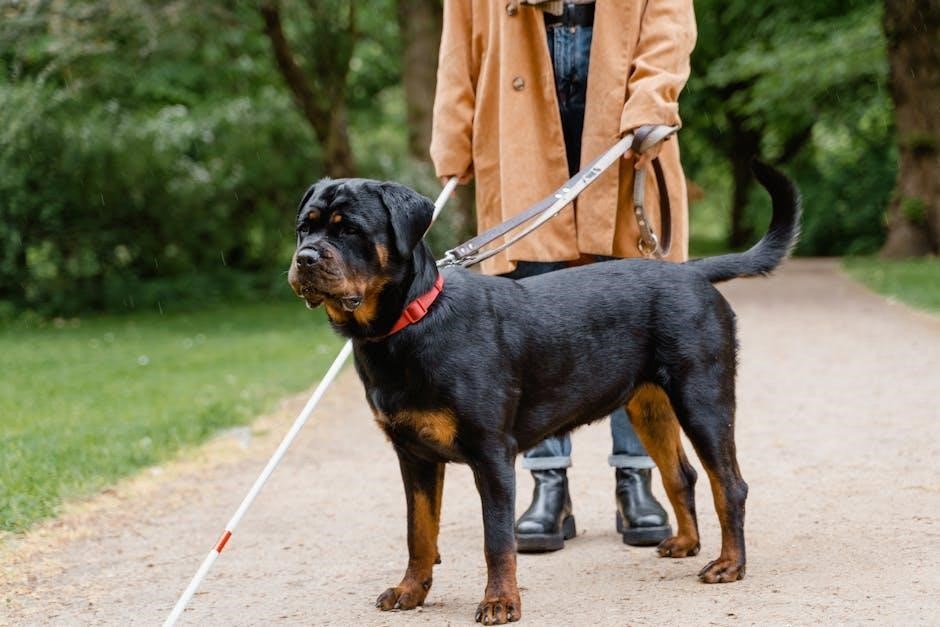
Creating a safe and welcoming environment is crucial before bringing a retired guide dog into your home. Begin by assessing potential hazards, ensuring clear pathways free from obstacles. Secure or remove loose rugs, electrical cords, and low-hanging furniture to prevent tripping.
Designate a comfortable and quiet resting area for your dog, providing a cozy bed and access to fresh water. Familiarize yourself with the dog’s specific needs and preferences, as communicated by the guide dog organization.
Consider the dog’s size and activity level when preparing your living space. Ensure adequate space for movement and play, both indoors and outdoors. A secure, fenced yard is ideal for supervised playtime.
Gradually introduce the dog to different rooms and household sounds, allowing them to acclimate at their own pace. Patience and positive reinforcement are key to a smooth transition, fostering a sense of security and belonging.
Socialization and Public Access
Retired guide dogs possess exceptional socialization skills, but continued exposure is vital for maintaining their confidence and well-being. While no longer required to work, they benefit from regular outings and interactions.
Continue to expose your dog to various environments – parks, stores, and public transportation – reinforcing positive experiences. However, remember they are now pets, and public access isn’t legally mandated as it was during their working life.
Respect their need for rest and downtime. Avoid overwhelming them with excessive stimulation or prolonged interactions. Observe their body language for signs of stress or fatigue.
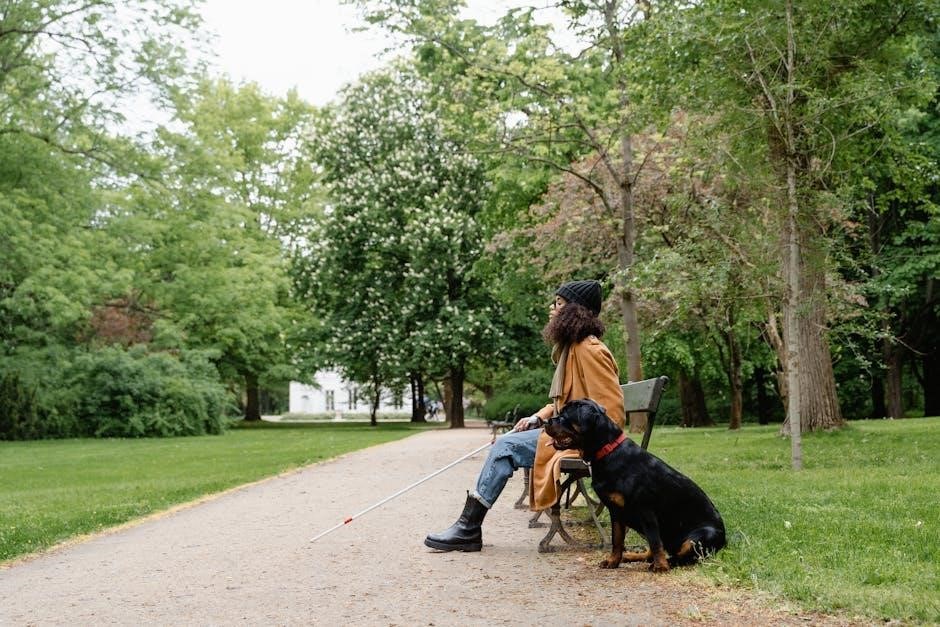
Positive reinforcement techniques are crucial during socialization. Reward calm and confident behavior with praise and treats. Be mindful of others and ensure your dog doesn’t disrupt public spaces. Maintaining their well-adjusted temperament enriches their retirement and your companionship.
Legal Rights and Considerations
While retired guide dogs no longer have the same legal protections as working guide dogs, understanding relevant laws is important. Previously covered under the Americans with Disabilities Act (ADA), their status changes upon retirement.
As pets, they are subject to local ordinances regarding leashes, licensing, and breed-specific regulations. Landlords may have pet policies, and travel restrictions may apply. It’s crucial to verify these regulations in your area.
Although no longer granted automatic public access, many businesses still welcome well-behaved dogs. However, you cannot legally demand access as you would with a working guide dog.
Be prepared to advocate for your dog respectfully and understand that access isn’t guaranteed; Familiarize yourself with local animal welfare laws and responsible pet ownership guidelines. Ensuring compliance protects both you and your beloved companion.
Long-Term Commitment and Support
Adopting a retired guide dog is a significant, long-term commitment, often spanning 10-14 years. These dogs require consistent care, affection, and understanding, even after their working life is over.
Guide dog organizations typically offer ongoing support to adopters, including behavioral advice, veterinary resources, and a network of fellow adopters. Maintaining regular veterinary check-ups is crucial for their continued health and well-being.
Be prepared for potential age-related health issues common in larger breeds. Financial planning for ongoing care, including potential medical expenses, is essential.
Embrace the unique bond you’ll share with a dog who has already dedicated years to service. Continued positive reinforcement and a loving environment will ensure a happy and fulfilling retirement for your canine companion. Remember, you are providing a well-deserved rest and a loving home.
Resources for Adopters and Potential Adopters
Numerous organizations and online platforms offer valuable resources for those considering adopting a retired guide dog. Leading guide dog schools, such as Guide Dogs for the Blind and Seeing Eye, provide detailed information on their adoption programs, eligibility criteria, and available dogs.
Websites like Pinterest offer step-by-step guides to dog adoption, covering preparation, the application process, and initial care (as seen in various Pinterest pins). Online forums and social media groups connect adopters, fostering a supportive community for sharing experiences and advice.
Local veterinary clinics can provide insights into the specific health needs of guide dogs. Furthermore, exploring resources detailing the differences between adoption and rescue (like those found on storage.googleapis.com) can aid in informed decision-making.
Don’t hesitate to reach out to these resources – they are dedicated to ensuring successful and fulfilling adoptions for both dogs and their new families.