
Delta Dental PPO Fee Schedule 2023: A Comprehensive Guide
Navigating dental costs requires understanding your plan; this guide details the 2023 Delta Dental PPO fee schedule, offering clarity for informed decisions.
Delta Dental PPO offers a popular choice for dental insurance, balancing flexibility with cost-effectiveness. Unlike DHMO plans with assigned dentists, PPO allows patients to visit any licensed dentist, though utilizing in-network providers significantly reduces out-of-pocket expenses. Understanding the 2023 fee schedule is crucial for maximizing your benefits and budgeting for dental care.
This schedule outlines the allowed amounts Delta Dental PPO will pay for various procedures. It’s not a fixed price list, but a guide to expected costs. Accessing the official Delta Dental PPO 2023 PDF document provides the most accurate and detailed information, enabling informed discussions with your dentist regarding treatment options and associated costs. Proactive knowledge empowers you to make the best choices for your oral health.
Understanding the 2023 Fee Schedule
The Delta Dental PPO 2023 fee schedule is a comprehensive document detailing the maximum amounts the insurance will reimburse for specific dental procedures. It’s organized by procedure codes (like D1110 for a cleaning) and varies based on location due to regional cost differences. Locating the correct PDF for your region is vital for accurate cost estimations.
The schedule doesn’t represent what you will pay, but rather what Delta Dental considers a reasonable and customary fee. Your final cost depends on your coverage level, deductible, coinsurance, and whether you visit an in-network or out-of-network dentist. Careful review of the 2023 PDF will help you anticipate potential out-of-pocket expenses.
What is a Fee Schedule?
A dental fee schedule is essentially a price list used by insurance companies, like Delta Dental PPO, to determine the maximum amount they’ll pay for covered dental services. The 2023 PDF document outlines these pre-determined fees for each procedure code. It’s not a fixed price you’ll pay, but a benchmark for reimbursement.
These schedules are built using data on typical costs in a specific geographic area. Understanding that the Delta Dental PPO fee schedule is a tool for insurance processing – not a guaranteed patient cost – is crucial. Your actual expense will be influenced by your plan’s specifics and the dentist’s submitted charges.
Why Fee Schedules Matter to Patients
Knowing the Delta Dental PPO fee schedule, accessible as a 2023 PDF, empowers you to estimate your out-of-pocket dental expenses. It helps you understand what portion of a procedure your insurance will cover and what you’ll be responsible for paying. This knowledge is vital for budgeting and avoiding unexpected bills.
Furthermore, the schedule aids in comparing costs between dentists. While dentists may charge fees above the schedule, understanding the “allowed amount” – the maximum Delta Dental will pay – allows for informed decisions. Reviewing the PDF before treatment can facilitate discussions with your dentist about potential costs and alternative options.
Coverage Levels & Associated Fees
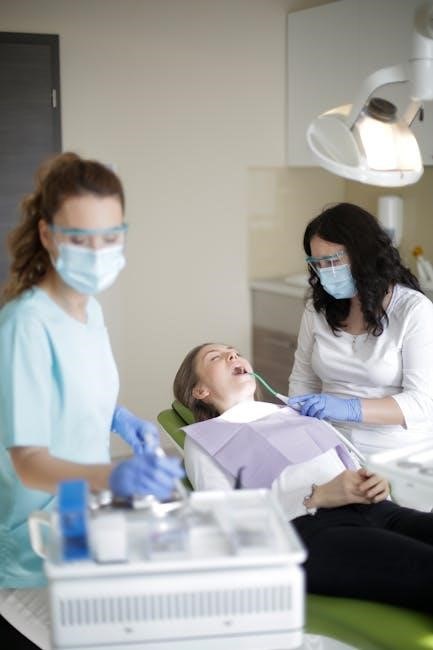
Delta Dental PPO plans typically offer tiered coverage – preventive, basic, and major – each with varying fees detailed in the 2023 PDF schedule.
Basic Coverage (Preventive Care)
Preventive care forms the cornerstone of Delta Dental PPO plans, emphasizing regular check-ups and cleanings to maintain optimal oral health. The 2023 fee schedule PDF outlines coverage for services like routine cleanings, bitewing x-rays, and fluoride treatments, often covered at or near 100% for in-network providers.
This high level of coverage encourages proactive dental care, potentially preventing more costly procedures down the line. Understanding what’s included in basic coverage, as detailed within the document, allows members to maximize their benefits and budget effectively. The PDF clearly specifies covered procedure codes and associated coverage percentages, ensuring transparency and informed decision-making regarding preventative treatments.
Basic Coverage ─ Typical Procedures & Fees
The 2023 fee schedule PDF provides specific details regarding costs for commonly utilized basic services. It’s crucial to remember these are often estimates, and actual fees can vary by provider location and specific circumstances. Examining the PDF reveals typical costs for preventative treatments, allowing for better financial planning.
Delta Dental PPO aims for affordability in basic care. The document details procedure codes, in-network allowed amounts, and patient responsibility estimates. Understanding these figures, as presented in the PDF, empowers members to choose in-network providers and anticipate out-of-pocket expenses for essential preventative dental work, maximizing their plan’s value.
Routine Cleanings (D1110) ─ 2023 Fee Range
According to the 2023 Delta Dental PPO fee schedule PDF, the standard code for a prophy (D1110) typically falls within a range of $75 to $150 for in-network providers. However, this is an average, and the precise amount depends on geographic location and the dentist’s usual fees. The PDF clearly outlines these variations.

Patients should consult the PDF to determine the allowed amount for D1110 in their specific area. Out-of-network cleanings will likely have higher costs, subject to UCR limitations. Reviewing the PDF before your appointment helps estimate potential out-of-pocket expenses and ensures financial transparency regarding this essential preventative service.
Bitewing X-rays (D0220) — 2023 Fee Range
The Delta Dental PPO 2023 fee schedule PDF indicates that bitewing x-rays, coded as D0220, generally range from $20 to $45 when performed by an in-network dentist. This cost covers a standard set of bitewings used to detect interproximal decay. As with all procedures, the exact fee can fluctuate based on location and provider pricing, details found within the PDF.
Out-of-network bitewing x-rays will likely exceed this range, subject to the plan’s UCR limitations. Patients are encouraged to download and review the PDF prior to their dental visit to understand their potential costs and ensure accurate billing for this crucial diagnostic procedure.
Major Coverage (Restorative Care)
Delta Dental PPO’s 2023 fee schedule PDF outlines coverage for restorative procedures, typically covering 50-60% after the deductible is met. This category includes treatments addressing tooth damage or decay, such as fillings, crowns, and root canals. Understanding the specific coverage percentages detailed in the PDF is crucial for budgeting these potentially significant dental expenses.
The PDF also highlights the annual maximum benefit applicable to restorative care. Patients should carefully review the covered procedure codes and associated allowed amounts to estimate out-of-pocket costs. Pre-treatment estimates from your dentist, combined with the PDF, will provide the most accurate financial picture.
Major Coverage ─ Typical Procedures & Fees
The 2023 Delta Dental PPO fee schedule PDF provides a detailed breakdown of costs for common restorative procedures. While exact fees vary by location, the PDF lists typical allowed amounts. For example, a two-surface filling (D2392) might have an allowed amount of $180, with your coverage percentage applied after the deductible.
Crowns (D2790) generally have higher allowed amounts, potentially ranging from $800 to $1200 depending on material and location. The PDF is essential for comparing these allowed amounts to your dentist’s charges and estimating your out-of-pocket expense. Remember to always request a pre-treatment estimate!
Fillings (D2391, D2392, D2393) — 2023 Fee Ranges
The Delta Dental PPO 2023 fee schedule PDF outlines filling costs based on surface complexity. A one-surface filling (D2391) typically has an allowed amount between $120 and $160. Two-surface fillings (D2392) generally range from $150 to $200, while three-surface fillings (D2393) can fall between $180 and $250.
These are allowed amounts – your dentist may charge more. Your coverage percentage, after meeting your deductible, determines your out-of-pocket cost. The PDF is crucial for understanding these ranges and estimating your expenses. Always verify specific fees with your dentist and Delta Dental.
Crowns (D2790) — 2023 Fee Range
According to the Delta Dental PPO 2023 fee schedule PDF, the allowed amount for a crown (D2790) generally falls between $800 and $1,200. This range can vary based on geographic location and the material used for the crown – porcelain, metal, or ceramic-porcelain fused.
Remember, this is the allowed amount, not necessarily the price your dentist charges. Your specific plan’s coverage level (percentage) and deductible will influence your final out-of-pocket expense. Consulting the PDF and discussing costs with your dentist beforehand is highly recommended for accurate budgeting.

Specific Procedure Fee Details (2023)
Detailed procedure costs are outlined in the 2023 Delta Dental PPO fee schedule PDF, providing transparency for common dental treatments and associated fees.
Endodontic Treatment (Root Canals)
Root canal therapy addresses infected tooth pulp, preventing extraction. The 2023 Delta Dental PPO fee schedule PDF details coverage for these procedures, varying by tooth location. Understanding these costs is crucial for treatment planning. Anterior root canals (front teeth) generally have a lower fee compared to posterior (back teeth) due to complexity. The PDF outlines the allowed amount Delta Dental will pay, impacting your out-of-pocket expense. Factors like the dentist’s location and specialization can influence the final cost. Reviewing the schedule ensures you’re prepared for potential expenses associated with endodontic care, promoting informed financial decisions regarding your dental health. Accessing the PDF is key to accurate budgeting.
Anterior Root Canal (D3310) — 2023 Fee
According to the 2023 Delta Dental PPO fee schedule PDF, the allowed amount for an anterior root canal (D3310) typically ranges from $700 to $1,100. However, this is an average, and the actual fee can vary based on geographic location and the specific dentist’s usual fees. Patients should remember this is the amount Delta Dental considers reasonable and customary. Your out-of-pocket cost will depend on your plan’s deductible, coinsurance, and annual maximum. Always confirm the exact fee with your dentist before treatment. The PDF provides a detailed breakdown, but direct communication with both your dentist and Delta Dental is recommended for precise cost estimation.
Posterior Root Canal (D3320) — 2023 Fee
The Delta Dental PPO 2023 fee schedule PDF indicates that the allowed amount for a posterior root canal (D3320) generally falls between $900 and $1,300. As with anterior root canals, this figure represents an average and can fluctuate depending on location and the dentist’s established fees. Remember to verify the specific cost with your dental provider beforehand. Your individual plan details – including deductibles, coinsurance percentages, and the annual maximum benefit – will determine your final out-of-pocket expense. Consulting the PDF and contacting Delta Dental directly will provide the most accurate cost projection for your particular situation.
Periodontal Treatment (Gum Disease)
Addressing gum disease is crucial for overall health, and the Delta Dental PPO 2023 fee schedule PDF outlines coverage for various periodontal procedures. These treatments aim to manage and prevent the progression of gum disease. The PDF details fees for procedures like scaling and root planing (D4341), which are non-surgical methods to remove plaque and tartar below the gumline. Coverage levels vary based on your specific plan, so reviewing your benefits is essential. Understanding the allowed amounts and your cost-sharing responsibilities, as detailed in the PDF, will help you budget for necessary periodontal care.
Scaling and Root Planing (D4341) ─ 2023 Fee Range
The Delta Dental PPO 2023 fee schedule PDF indicates that the fee range for scaling and root planing (D4341) typically falls between $150 and $300 per quadrant. However, this is a general range, and the actual fee can vary based on geographic location and the dentist’s usual fees. Your specific plan’s coverage level – preventative, basic, or major – will determine the percentage Delta Dental covers. The PDF also outlines any applicable deductibles or coinsurance you may be responsible for. Always confirm your out-of-pocket costs with your dentist and Delta Dental before receiving treatment.
Prosthodontic Treatment (Dentures & Bridges)
The Delta Dental PPO 2023 PDF details coverage for prosthodontic treatments like dentures and bridges, falling under major coverage. Fees vary significantly based on the type of prosthetic and materials used. Complete dentures (D5410) generally range from $800 to $2,000, while partial dentures have a wider range. Fixed bridges (D6751-D6755) can cost between $1,500 and $5,000 per unit. The PDF specifies coverage percentages, deductibles, and annual maximums applicable to these procedures. Patients should review their plan details and obtain a pre-treatment estimate from their dentist to understand potential out-of-pocket expenses.
Complete Denture (D5410) — 2023 Fee Range
According to the Delta Dental PPO 2023 PDF, the fee range for a complete denture (D5410) typically falls between $750 and $1,800. However, this is a broad estimate, and actual costs can fluctuate based on geographic location, the dentist’s fees, and materials chosen. The PDF outlines the plan’s coverage percentage for this procedure, usually around 50-70% after the annual deductible is met. Patients should confirm their specific plan benefits and obtain a written treatment plan from their dentist detailing all associated costs before proceeding. Remember to factor in potential lab fees.

Accessing the Official Fee Schedule
Locating the Delta Dental PPO 2023 fee schedule is straightforward; the official PDF document is readily available on their website for easy access.
Where to Find the Delta Dental PPO 2023 PDF
The primary source for the official Delta Dental PPO 2023 fee schedule PDF is the Delta Dental website itself. Begin by visiting www.deltadental.com. Navigate to the section designated for members or benefits information – the exact location may vary slightly depending on your specific state’s Delta Dental plan.
Look for a “Fee Schedule,” “Provider Resources,” or “Cost & Coverage” area. Within these sections, you should find a downloadable PDF document specifically labeled “Delta Dental PPO Fee Schedule 2023.” You may need to register or log in to your member account to access the document. Alternatively, some state-specific Delta Dental websites host the PDF directly; searching “[Your State] Delta Dental PPO Fee Schedule 2023” can quickly locate it.
Navigating the PDF Document
Once you’ve downloaded the Delta Dental PPO 2023 fee schedule PDF, understanding its structure is key. The document is typically organized by procedure code – these are five-digit numbers representing specific dental services (e.g., D1110 for a routine cleaning).
Locate the procedure code your dentist has provided. The PDF will then display the “Allowed Amount” for that procedure under your PPO plan. Note that fee schedules can be extensive; utilize the PDF’s search function (Ctrl+F or Cmd+F) to quickly find specific codes. Pay attention to any footnotes or disclaimers, as certain procedures may have limitations or require pre-authorization.
Factors Affecting Your Out-of-Pocket Costs
Several elements impact your final dental bill, including your annual maximum, deductible, coinsurance percentage, and whether you choose an in-network dentist.
Annual Maximum Benefit
Your Delta Dental PPO plan includes an annual maximum benefit, representing the total dollar amount the plan will pay for covered dental services within a benefit year. This isn’t a fixed amount across all plans; it varies depending on the specific PPO plan you or your employer have selected. Common annual maximums range from $1,000 to $1,500, but some plans offer higher limits, potentially reaching $2,000 or more.
It’s crucial to understand that the annual maximum is a per-person limit. Once this limit is reached, you are responsible for 100% of any further dental expenses until the benefit year resets. Carefully reviewing your plan documents, or checking your online account, will reveal your specific annual maximum benefit amount. Tracking your usage throughout the year can help you maximize your benefits before the year ends.
Deductibles
A deductible is the amount you pay out-of-pocket for covered dental services before your Delta Dental PPO plan begins to pay. Like the annual maximum, deductible amounts vary significantly based on your specific plan. Some plans may have individual deductibles, while others have family deductibles, or a combination of both. Common individual deductible amounts are $50, $100, or $250.
It’s important to note that not all services are subject to the deductible. Typically, preventive care services (like cleanings and exams) are covered at 100% without needing to meet the deductible first. Once you’ve met your deductible, your plan will begin to share the cost of covered services according to your coinsurance percentage. Always verify your plan’s deductible details in your plan documents.
Coinsurance
Coinsurance represents the percentage of covered dental expenses you’re responsible for after you’ve met your annual deductible. Delta Dental PPO plans commonly utilize coinsurance splits like 80/20 or 70/30. For example, with an 80/20 plan, Delta Dental PPO pays 80% of the allowed amount for a covered service, and you pay the remaining 20%.
The allowed amount is crucial here, as coinsurance is calculated based on that figure, not the dentist’s original charge. Higher-tier services, like major restorative work, often have different coinsurance percentages than preventive care. Understanding your plan’s coinsurance breakdown is vital for estimating your out-of-pocket costs and budgeting for dental treatment.
In-Network vs. Out-of-Network Providers
Choosing between in-network and out-of-network Delta Dental PPO providers significantly impacts your costs. In-network dentists have agreed to pre-negotiated fee schedules with Delta Dental, generally resulting in lower out-of-pocket expenses for you. Out-of-network providers, while still potentially covered, typically apply to your annual maximum at the “usual, customary, and reasonable” (UCR) fee, which may be lower than the dentist’s charge.
You will likely pay the difference between the dentist’s fee and the UCR amount when using an out-of-network provider. Always verify network status before treatment using the Delta Dental website or app to maximize your benefits and minimize unexpected costs.
Understanding Allowed Amounts & UCR
Delta Dental establishes “allowed amounts” and utilizes “Usual, Customary, and Reasonable” (UCR) fees to determine coverage for dental procedures effectively.
What is the “Allowed Amount”?
The “allowed amount” is the maximum dollar amount Delta Dental PPO will pay for a covered dental service. It’s essentially the negotiated rate between Delta Dental and the dentist. This amount is often less than the dentist’s usual charge, but it’s a pre-determined figure based on the fee schedule.
When you visit an in-network dentist, they agree to accept the allowed amount as full payment for their services (subject to your deductible, coinsurance, and annual maximum). If you visit an out-of-network dentist, the allowed amount is still used to calculate your reimbursement. You’ll likely pay the difference between the dentist’s charge and the allowed amount out-of-pocket. Understanding this concept is crucial for budgeting your dental care expenses.
Understanding Usual, Customary, and Reasonable (UCR) Fees
UCR fees represent the average charges for a specific dental procedure in a particular geographic area. Delta Dental PPO utilizes UCR standards to determine the “allowed amount” for out-of-network claims. These fees aren’t fixed prices, but rather a benchmark based on what most dentists charge.
“Usual” refers to the fee most dentists typically charge. “Customary” indicates the fee generally accepted by dentists in the area. “Reasonable” ensures the fee isn’t excessively high. Delta Dental assesses these factors when establishing UCR fees, impacting your potential reimbursement when seeing an out-of-network provider. Knowing UCR helps estimate potential out-of-pocket costs.

Resources & Further Information
For detailed assistance and the latest updates, explore Delta Dental’s official website or contact their dedicated member services team directly.
Delta Dental PPO Website
The official Delta Dental PPO website (deltadentalppo.com) serves as a central hub for all plan-related information. Here, members can access their individual policy details, including specific coverage benefits, deductibles, and annual maximums. Crucially, the website hosts the most current version of the 2023 fee schedule, typically available as a downloadable PDF document.
Beyond the fee schedule, the website provides tools to locate in-network dentists, submit claims electronically, and view claims history. Members can also register for online account access to manage their dental benefits conveniently. Regularly checking the website ensures you have the latest information regarding your Delta Dental PPO plan and associated fees.
Member Services Contact Information
For personalized assistance regarding your Delta Dental PPO plan and the 2023 fee schedule, contacting Member Services directly is an excellent option. You can reach them via phone at 1-800-765-6513. Representatives are available to answer questions about covered procedures, benefit eligibility, and specific fee amounts.
Alternatively, you can access support through the Delta Dental PPO website’s secure messaging system. This allows for detailed inquiries and document submission. Ensure you have your member ID readily available when contacting Member Services for efficient assistance. Prompt and helpful support is available to clarify any uncertainties regarding your dental benefits.
Frequently Asked Questions (FAQs)
Q: Where can I find the most up-to-date 2023 fee schedule? A: The official PDF is available on the Delta Dental PPO website, linked in the “Accessing the Official Fee Schedule” section.
Q: Does the fee schedule guarantee my out-of-pocket cost? A: No, your actual costs depend on your coverage level, deductible, coinsurance, and whether you see an in-network or out-of-network provider.
Q: What if my dentist charges more than the fee schedule amount? A: Delta Dental will base reimbursement on the allowed amount, as detailed in the “Understanding Allowed Amounts & UCR” section.
Important Considerations for Treatment Planning
Before undergoing any dental procedure, discuss treatment options and associated costs with your dentist. Obtain a written treatment plan outlining all proposed services and their corresponding CDT codes.
Compare the dentist’s charges with the Delta Dental PPO 2023 fee schedule (available as a PDF online) to estimate your out-of-pocket expenses. Remember that the fee schedule represents maximum allowable amounts, and your dentist may charge less.
Consider alternative treatment options that may be more cost-effective while still meeting your dental needs. Proactive communication with both your dentist and Delta Dental can help ensure a transparent and financially manageable treatment plan.
Please note that the Delta Dental PPO 2023 fee schedule, provided as a PDF document, is subject to change without prior notice. While Delta Dental strives for accuracy, errors or omissions may occur.
This schedule represents the maximum amounts Delta Dental will pay for covered services; actual payments may vary based on individual plan details, provider agreements, and specific circumstances.
It is the member’s responsibility to verify coverage and estimated costs with Delta Dental directly before receiving treatment; Delta Dental assumes no liability for discrepancies between the published fee schedule and actual claim reimbursements.